

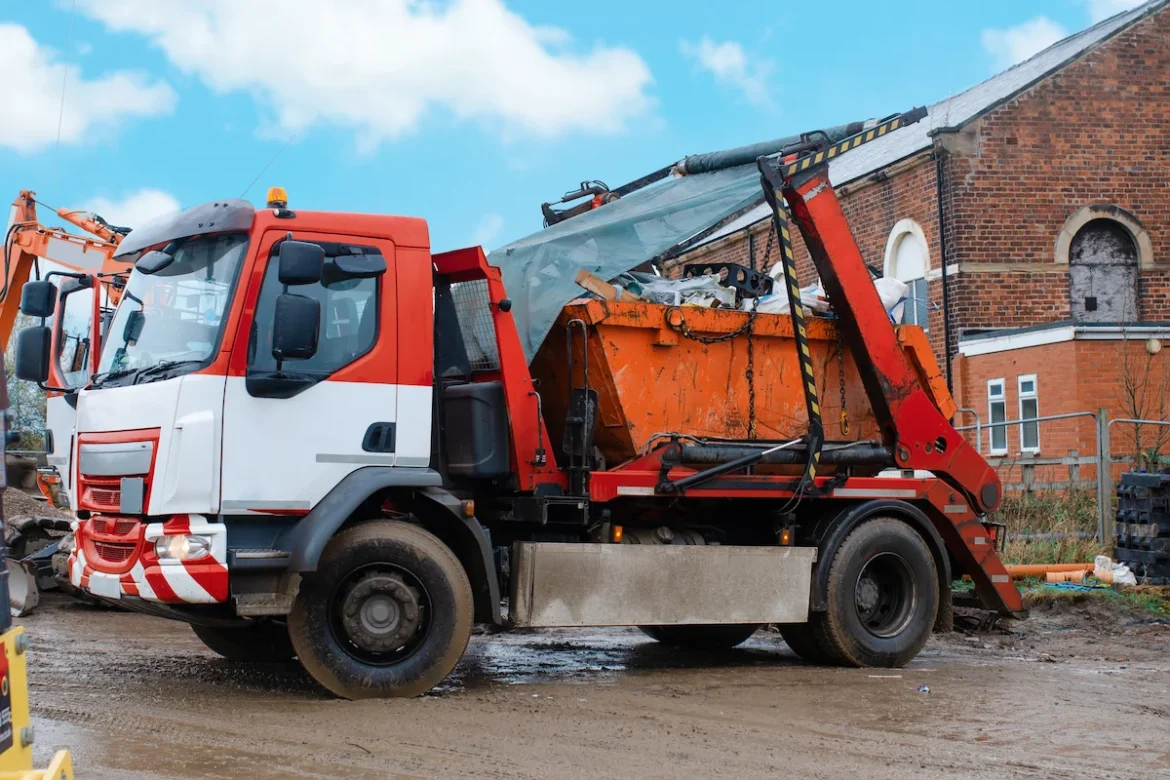
Most renovation projects involve the fun aspects.
New kitchens, flooring, paint and maybe finally getting rid of the tired bathroom. However, very often we forget to think about how much rubbish we will be creating.
This can often cause one of the largest frustrations. By thinking ahead you can save yourself time and hassle.
A small renovation can create a surprising amount of waste
When renovating you will often have a list of things to remove.
Old cabinets, worktops, packaging, cracked tiles, plasterboard and maybe even flooring.
Suddenly you have a large pile of rubbish in your driveway.
If you are renovating multiple rooms or a commercial property, without planning ahead you might find that you have a lot of rubbish taking up space. This can be frustrating for your tradesmen to work around.
Try to get an idea of how much you will be removing. You won’t always be 100% accurate but at least try.
Separate materials where possible
Many items will be able to be reused or recycled. Some materials may be suitable for recycling.
Depending on the condition you may be able to recycle timber, metals, cardboard and some construction materials.
It is also important to know which items you need to take extra care with. Items containing asbestos, certain chemicals and other hazardous items should not go into a general skip.
If you aren’t sure what to do with the item then ask your waste company.
By separating your waste properly you can avoid any issues by ensuring you are dealing with it responsibly.
Choosing the right skip saves money and hassle
Ordering a skip that’s too small can mean arranging another collection halfway through the work.
Ordering one that’s unnecessarily large could leave you paying for capacity you don’t need.
The right size depends on both the volume and type of waste.
Heavy materials such as bricks, concrete and soil can reach a container’s weight limit much sooner than lightweight rubbish.
A local skip hire company in Lincs can help you understand suitable container options and restrictions for your project.
Explain what you’re disposing of, where the property is located and how long you expect to need the skip.
Those details can help the provider recommend a practical arrangement rather than leaving you to guess.
Make sure the delivery location is suitable
Often the easiest place to put a skip is on your driveway. Just ensure that there is enough space for the vehicle to fit and that the surface can support the weight.
If you don’t have any private space you may need to put the skip on the road. Usually you will need permission from the relevant highway authority.
Ask who will sort out the permit and if there are any extra safety measures in place.
It is important to consider access. If you have a narrow road in your residential area, shared access or a busy construction site you will need to ensure there is enough space for the delivery vehicle. The skip should be easily accessible for collection.
There is little point booking a skip if the driver can’t deliver it safely.
Plan collections around the work
On longer renovations, it may be more practical to arrange collections at different stages.
For example, the initial strip-out could produce a large amount of waste before any new materials arrive on site.
Clearing that waste promptly can create space for deliveries and reduce clutter.
For smaller projects, one appropriately sized skip may be sufficient.
Discuss the expected hire period in advance and check what happens if your work is delayed.
Building projects don’t always run exactly to schedule, so understanding extension and collection arrangements is useful.
Check who is handling your waste
Businesses have legal obligations when moving rubbish. Reasonable steps should be taken by householders to ensure rubbish is handed over to an authorised person.
Ensure the carrier is registered and ask for any documentation. Using a legitimate company will reduce the risk of rubbish not being dealt with properly.
You will have more peace of mind knowing where your unwanted items are going.
Keep the renovation organised from start to finish
Although rubbish isn’t the most exciting part of improving your property it can directly affect how your project runs. By planning your collections, using the right containers and knowing what you need to do with your rubbish you can avoid any unnecessary disruptions.
This means you can spend more time focusing on finishing your kitchen, bathroom or extension.

