

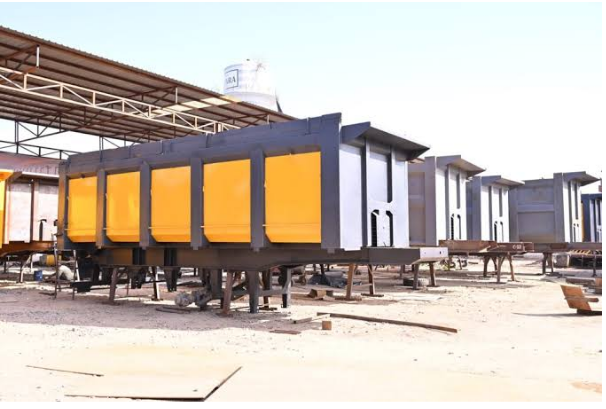
Trailers and truck bodies are subjected to harsh operating conditions on a daily basis. Heavy loads, long-distance transport, uneven terrain, frequent loading, and exposure to changing weather can all have a gradual impact on their structural state and performance. While superior engineering and durable materials are strong beginning points, how equipment is maintained has a considerable impact on how long it is reliable.
Planned maintenance allows operators to recognise potential problems before they become costly fixes. A systematic maintenance schedule keeps equipment in good operating order, promotes road safety, and protects the investment in commercial transportation equipment. Guidance from an experienced trailer manufacturer can also help operators understand equipment-specific maintenance requirements and follow suitable servicing intervals.
Why Planned Maintenance Matters for Heavy Transport Equipment
Heavy transport equipment experiences significant mechanical and environmental stress. Repeated loading puts strain on the decks, chassis, suspension systems, and structural connections. Moisture, road debris, and chemical exposure can all lead to corrosion and surface damage.
Without regular inspections, minor errors can escalate into major difficulties. A loose connection, worn brake component, or minor crack in a structural piece may go undiscovered until it impairs equipment operation.
A structured approach ensures consistency. Operators can schedule inspections based on operation hours, manufacturer guidelines, and the type of work being performed. This makes it easier to detect wear, schedule repairs, and avoid unexpected disruptions to normal operations.
An experienced trailer manufacturer understands the structural demands placed on different trailer configurations and the impact of regular use on their components. Following manufacturer-recommended inspection schedules helps operators identify wear early and maintain equipment performance over time.
Essential Areas to Include in a Maintenance Schedule
A useful maintenance strategy should include both structural components and operating systems for the equipment. The frequency of inspections will vary depending on the type of equipment, workload, operating environment, and manufacturer recommendations.
1. Inspect the Chassis, Frame and Deck
The chassis and deck carry the operating loads, making their condition very crucial. Regularly inspect structural members, welds, crossmembers, and mounting points for cracks, deformation, loose fasteners, and indicators of impact damage.
Trailer decks demand special maintenance, especially when machinery is often loaded and unloaded. Heavy-duty flooring, including Hardox wear plate, is resistant to abrasion, but it should still be inspected for damage, excessive wear, and faulty fittings.
Cleaning out collected dirt and debris might also help you spot potential problems.
2. Check Brakes, Suspension and Tyres
Braking and suspension systems are critical for safe heavy transportation operations. Inspect brake components, air lines, electrical connections, suspension mounts, and other fittings for wear, leaks, and damage.
Tires should be inspected for pressure, uneven wear, cuts, and other evident flaws. Wheel bearings and hubs also require maintenance in accordance with the manufacturer’s service plan.
These tests are especially necessary for trailers carrying high cargo or going over uneven terrain. The National Heavy Vehicle Regulator’s inspection framework identifies brakes, couplings, suspension, wheels, tires, and hubs as critical components for heavy vehicle assessment.
3. Maintain Hydraulic and Electrical Systems
Hydraulic systems utilised in tilting decks, ramps, cranes, and lifting equipment require regular inspections. Inspect hoses, cylinders, fittings, and connectors for leaks, degradation, or unusual movement. Hydraulic fluid levels and replacement intervals should adhere to the equipment manufacturer’s guidelines.
Electrical systems also require attention. Inspect the cabling, connectors, LED lights, warning beacons, and control panels to ensure they work properly. Damaged wiring or unstable lighting can have an impact on operating efficiency as well as road safety.
4. Address Corrosion and Surface Damage
Rain, mud, road salts, fertilisers, and other materials can gradually deteriorate protective coatings. Regular washing, particularly after exposure to corrosive substances, helps remove contaminants before they affect surfaces.
Inspect painted surfaces, joints, underbody sections, and exposed steel for rust or coating damage. Promptly fixing damaged finishes helps to prevent corrosion from spreading.
How Maintenance Protects Custom Truck Bodies
Unlike normal transportation equipment, custom truck bodies are frequently designed to meet unique operational needs. Flat tops, crane trucks, and specific application bodies may have custom hydraulic arrangements, storage systems, lifting equipment, and load restraint elements.
As a result, maintenance should assess the entire arrangement rather than relying solely on the vehicle chassis.
Crane truck operators, for example, must inspect stabiliser legs, hydraulic connections, mounting structures, and integrated equipment in line with applicable service requirements. Similarly, specialist bodies used in agricultural or industrial applications may require more frequent cleaning and corrosion tests due to the ingredients they contain.
Working with the original trailer manufacturer or a skilled service provider can help ensure that repairs and replacement components remain appropriate for the equipment’s intended use. This is particularly important for custom-built truck bodies, where modifications to structural components, hydraulics, or integrated equipment may affect overall performance and safety.
Build a Maintenance Routine Around Actual Usage
A maintenance schedule should reflect how the equipment is utilised, not just its age. A trailer that is used on a daily basis with heavy machinery may require more attention than one that is only used periodically.
A practical programme should include pre-operational checks, scheduled service, periodic structural inspections, and a recorded repair history. Keeping track of inspections, changed components, and defects assists operators in identifying reoccurring issues.
The National Heavy Vehicle Inspection Manual is a helpful resource for understanding inspection standards for heavy vehicle constructions, brakes, couplings, suspension, tyres, and trailer systems.
Conclusion
Investing in durable equipment does not suffice to extend the operational life of trailers and truck bodies. Consistent inspections, prompt repairs, and maintenance tailored to operating conditions help to maintain structural integrity, improve reliability, and decrease needless downtime.
Planned maintenance is a realistic way for transport operators to safeguard the value of their equipment while keeping daily operations safe and efficient. A well-maintained asset does more than just last longer; it also continues to serve the function for which it was designed.