

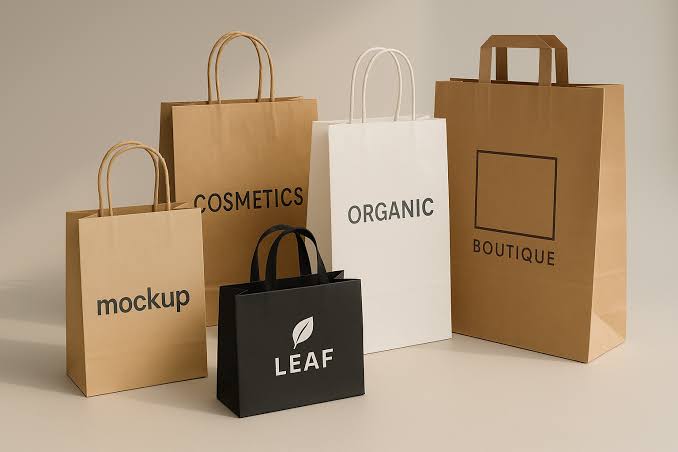
Sustainable packaging is becoming a priority for retailers looking to reduce environmental impact while maintaining a professional brand image. Comparing different packaging options helps businesses make informed decisions that balance durability, recyclability, customer expectations, and long-term value without compromising product presentation or everyday practicality.
Choosing retail packaging today involves more than protecting products during a purchase. Customers increasingly pay attention to how businesses package their goods and whether those choices reflect environmental responsibility. Printed carrier bags have become a popular option because they combine practical functionality with branding opportunities across a variety of materials, including paper, cotton, canvas, jute, and recyclable plastic. Rather than focusing on a single packaging material, retailers should compare sustainability based on durability, reuse, recyclability, and overall environmental impact. Making informed packaging decisions helps businesses reduce unnecessary waste while creating a positive customer experience that supports both commercial and environmental goals.
1. Why Sustainability Matters in Retail Packaging
Sustainability has become a key consideration for businesses of every size. Packaging is often the first physical interaction customers have with a brand, making it an opportunity to demonstrate environmental responsibility while maintaining quality.
Looking only at whether a package is made from paper or plastic does not provide the full picture. The overall impact depends on several factors, including how the packaging is manufactured, how long it lasts, whether it can be reused, and how easily it can be recycled once it reaches the end of its life.
Retailers that carefully evaluate these factors are more likely to reduce waste without sacrificing product protection or customer satisfaction.
2. Comparing Carrier Bags with Cardboard Boxes
Cardboard boxes are widely used because they provide excellent protection, particularly for fragile or heavy products. However, they often require more material than a carrier bag and occupy more storage and transport space before use.
Carrier bags offer a lighter alternative for many retail purchases where additional structural protection is unnecessary. Their compact design also reduces storage requirements for retailers.
When comparing both options, businesses should consider:
- The weight and size of the product.
- Whether extra protection is genuinely required.
- The amount of material being used.
- Opportunities for customers to reuse the packaging.
Choosing packaging that matches the product rather than automatically selecting the largest option can significantly reduce unnecessary material consumption.
3. Reusable Bags Offer Long-Term Environmental Benefits
One of the biggest sustainability advantages comes from encouraging repeated use. Bags manufactured from cotton, canvas, or jute are designed to remain useful long after the original purchase.
Instead of being discarded after one trip, these materials can be reused many times, extending their useful lifespan and reducing demand for replacement packaging. This repeated use helps spread the environmental impact of manufacturing across many shopping journeys.
Retailers that offer durable reusable bags also benefit from continued brand visibility, as customers often carry them during everyday activities rather than only when visiting the original shop. Many suppliers provide customised paper, cotton, canvas, jute, and plastic carrier bags to suit different retail requirements while allowing businesses to maintain consistent branding across their packaging range.
4. Understanding the Role of Plastic Packaging
Plastic packaging often receives criticism, yet sustainability depends largely on how the material is designed and used rather than the material alone.
Modern recyclable plastic bags intended for repeated use differ considerably from lightweight disposable alternatives. When designed for durability and reused multiple times, they can remain in service far longer than many people expect.
In the middle of this wider packaging discussion, printed carrier bags stand out because businesses can choose the material that best suits their products instead of relying on a single solution. Paper, recyclable plastic, cotton, canvas, and jute each offer different advantages depending on the intended application, allowing retailers to balance sustainability with practicality. The availability of multiple material options enables businesses to select packaging that aligns with both operational needs and environmental objectives.
5. Paper Bags and Their Environmental Advantages
Paper bags continue to be a popular retail choice because they are widely recyclable and appeal to environmentally conscious consumers.
Their sustainability depends on responsible sourcing, manufacturing processes, and whether customers choose to reuse them before recycling. High-quality paper bags are often sturdy enough for multiple shopping trips, extending their useful life beyond the initial purchase.
Paper also offers an attractive surface for branding, making it suitable for retailers looking to combine sustainability with a professional presentation.
6. Choosing Packaging That Matches the Product
No single packaging solution works perfectly for every retail business. The most sustainable decision depends on selecting packaging that suits the product rather than following trends.
Before choosing packaging, retailers should ask:
- Will customers realistically reuse it?
- Is the material recyclable?
- Does it use only the amount of material required?
- Is it durable enough for its intended purpose?
- Does it support both product protection and brand presentation?
Answering these questions helps businesses avoid unnecessary waste while improving the customer experience.
7. Looking Beyond Materials
Sustainability is not determined solely by what a package is made from. Transportation efficiency, manufacturing methods, storage requirements, durability, and disposal all contribute to its overall environmental footprint.
A lightweight package that performs its function effectively may have advantages over a heavier alternative that consumes more raw materials and transport capacity. Likewise, a reusable bag that remains in circulation for years often delivers greater long-term value than packaging designed for only one use.
Businesses should therefore evaluate packaging as part of a complete lifecycle rather than judging materials in isolation.
Wrapping Up
Sustainable retail packaging requires thoughtful decision-making rather than simple assumptions about which material is best. Every option has strengths depending on the product, customer expectations, and how the packaging will be used after purchase. Paper bags provide excellent recyclability, reusable cotton, canvas, and jute bags encourage long-term use, while durable recyclable plastic options continue to have a place when selected responsibly. Printed carrier bags offer flexibility because they are available in a range of materials suited to different retail environments while also supporting professional branding and customer convenience. By considering durability, reuse, recyclability, and material efficiency together, businesses can reduce unnecessary waste without compromising quality or presentation. Sustainable packaging is ultimately about making balanced, informed choices that benefit customers, businesses, and the environment over the long term.