

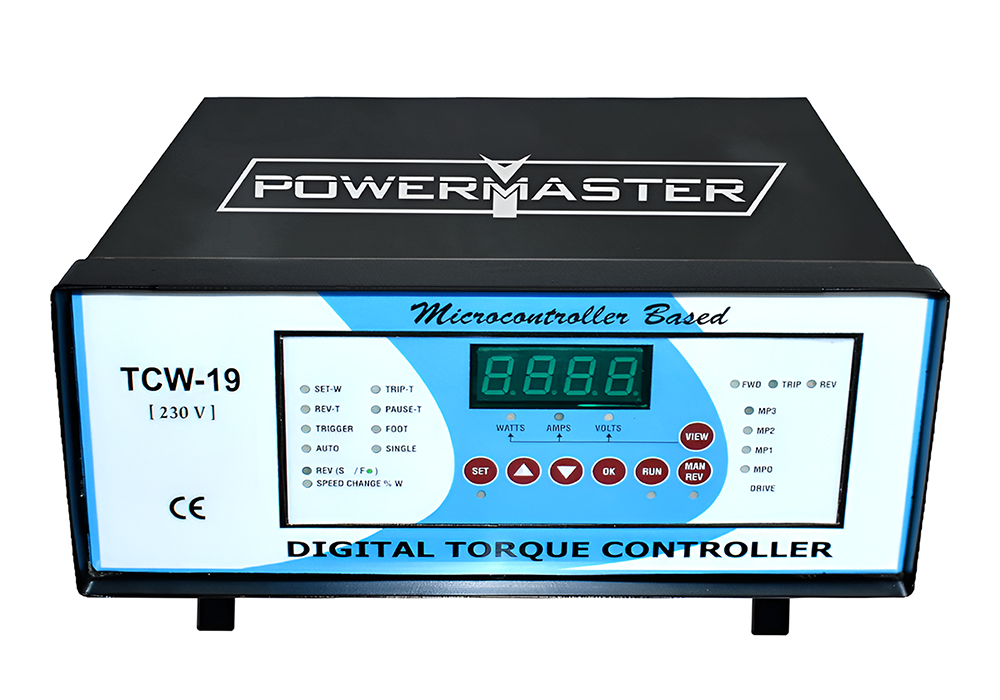
Both HVAC and industrial refrigeration systems require effective heat transfer and secure tube connections, as these elements ensure reliable system operation. The hydraulic tube expansion system creates airtight seals, which enable condensers, evaporators, chillers, and heat exchangers to achieve their maximum tightness through its function of generating optimal tube-to-tube sheet contact between both components.
The systems produce a precise expansion force that they can repeat throughout their operation to meet the high demands of HVAC and refrigeration systems.
Benefits In HVAC And Refrigeration Workflows
- Performance: The HVAC and refrigeration system performance improves through the hydraulic tube expansion system because it produces secure, leak-free tube connections that maintain constant expansion performance.
- Precision: The precise measurement system enables better tube contact with the tube sheet, which results in better heat transfer efficiency while reducing system failure chances.
- Preparation: The use of proper preparation tools leads to more trustworthy results.
- Accuracy: Accurate hole finishing produces a surface that is both clean and uniform, enabling the expansion process to create the best possible grip and alignment.
- Durability: The combined power of these tools helps to improve system performance while increasing equipment durability & enabling HVAC and refrigeration systems to operate without issues in challenging environments for extended periods.
Essential Factors For Efficient HVAC And Refrigeration Tube Joints
The essential factors that establish efficient HVAC and refrigeration systems operate through their tube joints. The HVAC and refrigeration systems achieve their full efficiency through their network of tube connections, which enables optimal heat transfer.
1. Expansion: The tube requires correct expansion because improper expansion creates gaps and leaks, which decrease tube contact with the tube sheet and result in performance issues for the entire system.
2. Materials: Operators must handle copper, stainless steel, and copper-nickel alloy carefully throughout the entire expansion process.
3. Consistency: Inconsistent force application produces harmful effects, which include both over-expansion and under-expansion, thus resulting in reduced operational efficiency and greater need for equipment upkeep.
4. Control: The situation requires advanced expansion techniques that depend on accurate control systems for their successful execution.
Why Hydraulic Tube Expansion Systems Are Effective
The hydraulic tube expansion system operates through fluid pressure, which generates a uniform radial force distribution throughout the entire tube.
- Uniformity: The method achieves uniform tube expansion while creating a solid connection to the tube sheet without causing any tube damage.
- Control: The system enables operators to establish pressure settings for increased efficiency based on:
- tube dimensions
- wall thickness
- material characteristics
- Convenience: The systems eliminate manual work requirements, allowing technicians to perform their tasks effectively across extensive HVAC systems and in restricted working areas.
- Stability: Smooth hydraulic operation ensures optimal performance by preventing sudden pressure fluctuations during expansion.
Conclusion
The hydraulic tube expansion system improves HVAC and refrigeration systems through its capacity to produce long-lasting tube connections that prevent leaks while ensuring consistent expansion across all system joints. The system achieves better heat transfer performance and reduced operational failures through its precise measurement system, which enables improved tube contact with the tube sheet base.
When combined with proper preparation tools like a tube sheet hole reamer, the results become even more reliable. The process of finishing holes accurately creates a uniform surface, which allows the expansion process to achieve maximum grip and alignment. The combination of these tools improves system efficiency while extending equipment lifespan and enabling continuous operation without issues in demanding HVAC and refrigeration environments.