

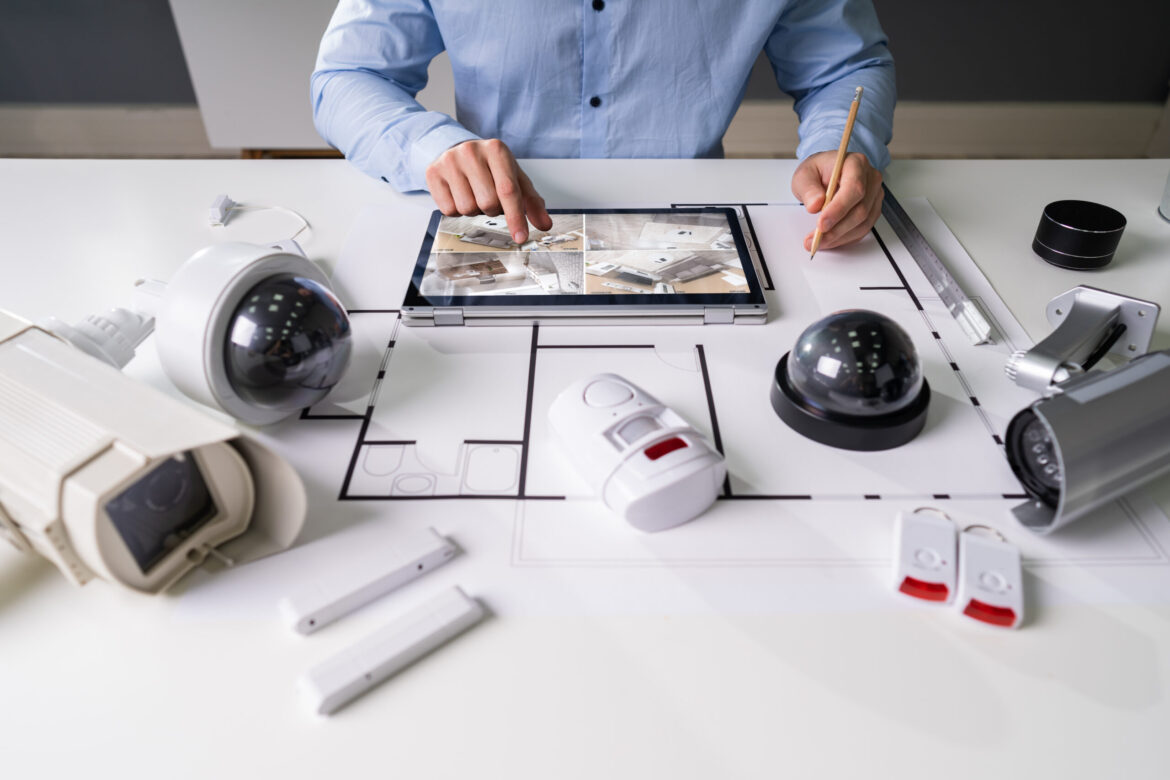
A camera on a wall is only one part of a modern property security system, and effective CCTV monitoring NZ depends on what happens after the image is captured. For homeowners, landlords, retailers and small businesses across New Zealand, value comes from video being processed, stored, reviewed and surfaced when activity needs attention.
Understanding this chain helps owners choose suitable equipment, avoid storage gaps and make better decisions.
A reliable CCTV setup & support service in NZ can also help ensure cameras, recording hardware and remote access work together correctly, showing why security cameras are about more than live video: they create useful evidence when people or assets cannot be watched personally.
What happens from camera to recorded footage?
A typical system follows a straightforward path. Modern CCTV recording systems can be configured to record continuously, according to a schedule, or when activity is detected.
Outdoor cameras need suitable weather protection, while placement should account for glare, shadows, lighting changes, and views across driveways, gates, or shared access areas. A camera that technically records 24/7 is not necessarily useful if its position produces poor images at night.
How storage determines what you can actually retrieve
CCTV monitoring NZ also depends on whether the relevant footage remains available when an incident is discovered. That makes CCTV storage a design decision rather than an afterthought.
DVR vs NVR
DVR-based systems generally process video from cameras connected directly to the recorder, while NVR systems typically work with network-connected IP cameras. The practical choice depends on camera requirements, network design and the scale of the property.
For a new installation, an IP-based arrangement can offer flexible camera placement and network features, while a DVR can remain practical in certain existing installations.
What affects storage capacity?
Resolution is only one factor. Higher frame rates, more cameras, continuous recording and longer retention periods all increase storage requirements. Compression technology, recording schedules and motion-based capture can reduce the amount of data generated.
Local, network and cloud options
Some owners keep footage on the recorder itself, while others use NAS storage or cloud backup as part of a broader resilience strategy. Local storage can provide fast access and reduce dependence on an internet connection for ordinary playback.
When does CCTV monitoring become genuinely useful?
CCTV monitoring NZ can mean different things depending on the system. More advanced arrangements can connect events to a monitoring provider or security workflow, extending surveillance monitoring beyond simply opening a live camera feed.
Motion detection and alerts
Motion detection can identify activity within defined areas and trigger notifications, but it should not be treated as a perfect substitute for human judgement. Poor camera positioning, moving vegetation, changing light, or pets can generate unwanted events.
Remote access for homeowners and businesses
Remote CCTV viewing allows an authorised user to check a property without being physically present. This can be useful for a homeowner away from Wellington, a landlord checking a vacant property, or a business owner reviewing an incident after hours.
Mobile apps can make access convenient, but remote access should be configured securely. Strong passwords, updated firmware, controlled user permissions and secure network settings are important because a connected camera is also a connected device.
Designing a system around a New Zealand property
CCTV monitoring NZ works best when the cameras are selected around actual risks rather than simply filling every visible corner with hardware. Start by identifying the points where an incident would matter most: entrances, vehicle access, deliveries, cash-handling areas, high-value equipment and less visible boundaries.
Homes and rental properties
For a typical home, priorities may include the front entrance, driveway, garage and rear access. A landlord may also want clear visibility around common exterior areas without unnecessarily capturing neighbouring private spaces.
Retail and small commercial sites
A shop may need different views for customer entrances, counters, stockrooms and exterior approaches. Image detail at a point of sale can be more important than having a wide but distant view of the whole room.
Larger sites
A multi-camera setup should be planned as a coverage map rather than a collection of individual cameras. Overlapping views can help reduce blind spots, while consistent naming and recording settings make later footage easier to locate.
For property owners in Wellington, the Hutt Valley and Wairarapa who need installation alongside broader technology support, Tech On Road operates as a CCTV setup & support service in NZ, providing on-site repairs, setup, installation and IT solutions across locations including Wellington, Lower Hutt, Upper Hutt, Porirua, Kapiti, Greytown, Carterton, Featherston and Masterton.
What should you check before choosing a CCTV system?
CCTV monitoring NZ should be assessed against practical questions rather than camera specifications alone. Ask how the system will perform at night, how long footage will be retained, what happens if the internet goes down, who can access recordings, and how footage can be exported when an incident needs to be investigated.
Regular checks confirm cameras, storage and remote access continue working properly.
For anyone comparing professional CCTV installation services in NZ, the useful comparison is not simply price per camera. Consider coverage, image quality, storage design, secure remote access, installation quality, future expansion and ongoing support. These factors determine whether the system remains useful months or years after it is installed.
Turning recorded video into dependable security evidence
CCTV monitoring NZ is most effective when the entire chain works together: cameras provide useful views, recording hardware captures them reliably, storage preserves the required history, and authorised users can retrieve footage when needed.
Before investing, walk through the property at different times of day and ask a simple question: if something happened here tonight, could the system clearly show what occurred? If the answer is uncertain, that is a signal to revisit camera placement, lighting, recording settings or storage before installation. Good CCTV is ultimately less about owning more cameras and more about creating dependable visibility when it matters.