

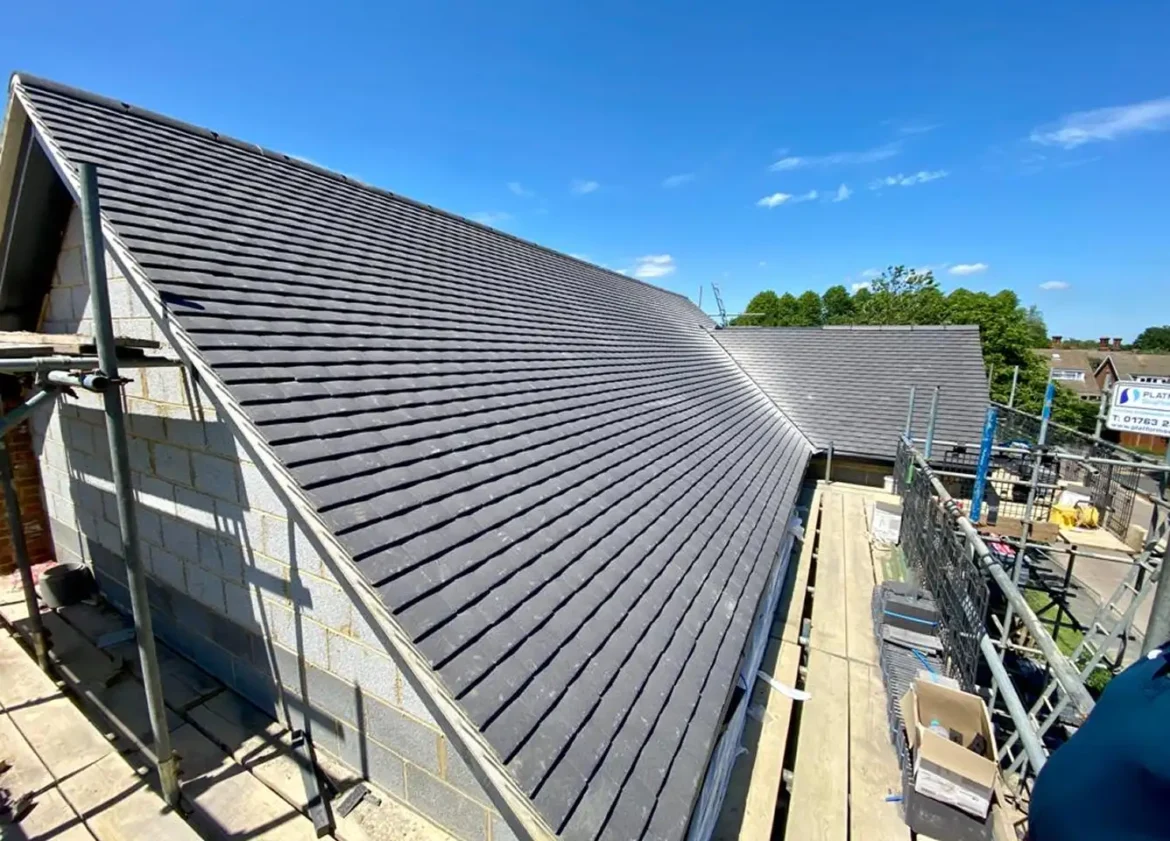
A roof leak in a commercial property rarely stops at a damp ceiling tile.
It can affect stock, electrical equipment, tenants, staff and customers. It may force part of the building to close, interrupt trading or leave a facilities manager explaining why three buckets have become permanent office furniture.
Early action usually gives a business more control over the work, cost and timing. If you need help with roofing in Bishop’s Stortford, knowing which warning signs to report can help a roofing company assess the problem faster.
Water inside the building needs prompt attention
An active leak should not be left until the next scheduled maintenance visit. Water may travel through insulation, ceiling voids and structural materials before becoming visible.
Signs may include stained suspended ceiling tiles, damp plaster, wet insulation or a musty smell in upper rooms. Water might appear around rooflights, chimneys or parapets, or only become visible during wind driven rain. Take extra care if it reaches lights, cables or electrical equipment.
Move stock and equipment away from the affected space where this can be done safely. If water is close to electrical fittings, keep people away and seek appropriate electrical advice.
Record the date, weather and position of the leak. Photographs and short videos may help the roofer prepare for the inspection.
The visible drip may not sit directly below the defect. Water can travel a surprising distance before choosing the least convenient place to appear.
Flat roof defects can interrupt more than one tenant
Flat roofs are common on shops, offices, schools, warehouses, extensions and other commercial premises. They should normally have enough fall to direct water towards outlets and gutters.
Standing water may point to blocked drainage, movement in the supporting structure or an issue with the roof’s falls. Splits, cracks, blisters and loose joints also deserve attention. Damage may develop around outlets, rooflights and edges, while repeated patches can suggest that the original problem has never been properly resolved.
A local repair may be suitable if the defect affects a small area and the rest of the roof remains sound. Widespread damage, trapped moisture or repeated failure may make a larger repair or replacement better value.
Ask the roofer to explain what has failed and whether the proposed work addresses the cause. Another patch may stop the leak for now, but that is not especially helpful if the same area fails again three months later.
Check gutters, outlets and downpipes
Blocked drainage can send water back across the roof or down external walls. On larger buildings, one blocked outlet may affect a substantial roof area.
During rain, check whether gutters overflow, joints leak or water runs down brickwork and cladding. Sagging sections, vegetation, staining around outlets and water collecting near entrances may also indicate a problem. A damaged or blocked downpipe can cause water to build up even when the gutter itself looks clear.
Commercial properties often have roof areas that cannot be inspected safely from the ground. Arrange professional checks rather than asking a member of staff to climb a ladder.
A quick look from the car park is useful. Turning the maintenance team into an untrained roofing crew is not.
Pitched roofs need routine checks too
Offices, schools, care settings, shops and converted buildings may have pitched tiled or slate roofs.
Strong winds, frost and age can leave tiles cracked, missing or out of position. Slates may slip, ridge tiles can loosen and mortar may begin to fail. Roof valleys, lead flashing and chimney details can also deteriorate. Falling pieces of tile, slate or mortar may put staff, customers, vehicles and neighbouring property at risk.
Restrict access below a visibly damaged area where necessary and arrange an inspection. The roofer should check the surrounding materials rather than replacing one obvious tile and leaving nearby movement unexplained.
Consider the cost of business disruption
The repair price is only one part of the commercial cost.
A leak may close work areas, damage stock or equipment and generate complaints from tenants. Staff might need to be moved, appointments could be cancelled and customers may lose access to part of the building. The business may also face internal decoration, mould treatment, specialist cleaning and extra insurance administration.
Planned work can often be arranged around opening hours, deliveries, tenant access and busy trading periods. Emergency work gives everyone fewer choices.
This is why routine inspection and maintenance can be useful even when the roof appears sound from the ground.
Use roof reports to support planning
A roof report can help a business understand the condition of its roof before committing to repairs or setting a maintenance budget.
Reports may be useful when buying or leasing commercial premises, planning refurbishment work or investigating a leak that keeps returning. They can also help landlords and facilities managers prioritise repairs across several buildings, record storm damage or prepare an annual maintenance budget.
CLS Roofing Specialists provides roof reports and drone surveys in Bishop’s Stortford and surrounding areas. Drone inspection may help review tiles, ridges, chimneys, gutters, flat roofs and other areas that are difficult to see without installing access equipment.
A drone survey does not remove every need for close physical inspection. It can, however, provide useful photographs and help identify where further investigation is required.
Ask for a detailed commercial quotation
A commercial roofing quotation should make the proposed work and cost easy to understand.
Check that it covers:
- The roof area involved
- The fault being repaired
- Materials and roofing system
- Labour
- Scaffolding or access equipment
- Waste removal
- Insulation or ventilation work
- VAT
- Expected timescale
- Payment stages
- Guarantee information
- Exclusions
- The process for approving additional work
Ask whether the building can remain occupied and whether any areas need to close. Confirm how noise, deliveries, waste and contractor access will be managed.
Where required, ask for suitable insurance documents, risk assessments and method statements before work begins. The paperwork should match the project rather than being a generic file last updated when fax machines were fashionable.
Compare the scope, not only the price
Two roofing quotations may have very different totals because they cover different work.
One quotation may include scaffolding, replacement insulation, ventilation improvements and waste removal. Another may cover only the visible roof material. The preparation work, access arrangements, roofing area, guarantee and VAT treatment may also differ.
Ask each roofer why they recommend their approach. Clear answers make quotations easier to assess and share with directors, landlords or property owners.
For larger work, establish who can approve changes once the project starts. This can prevent delays if concealed damage is found after the covering is removed.
Check commercial roofing experience
Business premises create different demands from an ordinary domestic repair.
A roofer may need to work around customers, staff, tenants and regular deliveries. Public access, parked vehicles, roof mounted equipment, security procedures and restricted working hours may all affect the plan. A school may need work completed outside teaching hours, while a shop may need entrances kept clear throughout the day.
Ask whether the company has experience with occupied commercial properties and the type of roof being repaired.
CLS Roofing Specialists works with domestic and commercial customers. Its services include roof repairs, new roof installations, flat roofing, tiling, slating, leadwork, guttering, fascias and roof surveys.
The company states that it is a member of the National Federation of Roofing Contractors. It also advertises guarantees of up to 20 years, depending on the work and roofing system.
Ask for the applicable guarantee and its terms in writing before approving the project.
Set up a simple roof maintenance record
Businesses do not need an elaborate system to keep useful roofing records.
Record:
- Inspection dates and reports
- Reported leaks
- Photographs
- Completed repairs
- Contractor details
- Quotations and invoices
- Materials used
- Guarantees
- Gutter cleaning
- Planned follow-up work
For landlords and property managers, keep records for each building rather than relying on emails scattered across several inboxes.
Good records help identify repeat faults and support future budgeting. They also reduce the chance of paying for the same investigation every time the property manager changes.
Local support for commercial roofing
A local roofing company can respond with knowledge of the property types and access conditions found around Bishop’s Stortford.
CLS Roofing Specialists serves Bishop’s Stortford, Saffron Walden, Hertford, Ware, Stevenage, Royston and nearby areas. The company offers free quotations and operates seven days a week, according to its website.
Local support may be useful for businesses managing several premises across East Hertfordshire and nearby parts of Essex.
Act before the building starts making the decision for you
Roofing work is easier to plan before water reaches stock, equipment or occupied areas.
If your commercial property has recurring leaks, damaged tiles, standing water, blocked drainage or failing roof edges, arrange an inspection and ask for written recommendations.
A clear report and detailed quotation will help you decide which work is urgent, which can be planned and what needs to be included in the next maintenance budget.
For commercial roof repairs, flat roofing, roof replacements or surveys, contact CLS Roofing Specialists for roofing in Bishop’s Stortford to request a free quotation.