

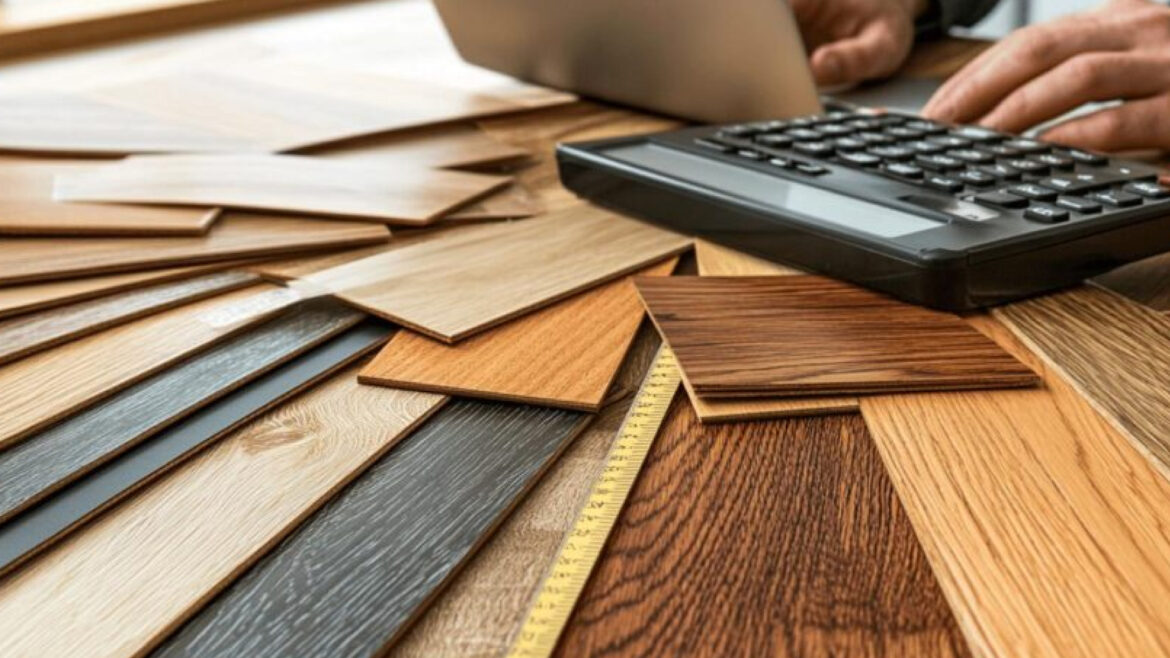
There is a reason seasoned buyers keep coming back to unfinished hardwood. The raw material gives full control over the final look, the finish, and the budget. Wholesale unfinished hardwood flooring takes that advantage further, offering price points that finished alternatives simply cannot match.
In 2026, prices range from around $1.50 per square foot for entry-level domestic species to $7 or more for premium exotics. Where a project lands depends on species, grade, plank width, and sourcing strategy. Supply chain shifts, eco-certification demands, and post-2025 lumber market changes are all influencing wholesale pricing this year, making it more important than ever to buy informed.
Price Ranges by Wood Species
Species is the single biggest driver of cost in wholesale unfinished hardwood flooring. Each wood type carries its own character, durability profile, and market demand.
Budget Domestic Woods
Red oak and soft maple sit at the accessible end of the market and remain popular for large residential and commercial projects.
- Red oak: $1.50 to $2.50 per square foot at number 2 and number 3 common grades
- Soft maple: $1.80 to $3.00, depending on grade and source
- Wide plank cuts of five inches or more add $1 to $2 per square foot
- Volume orders at the wholesale level bring additional discounts of 20-40%
Mid-Tier Favorites
White oak and hickory occupy the middle of the market and have seen strong demand growth heading into 2026.
- White oak: $1.80 to $3.00 at number 3 common, rising to $4.50 to $6.00 for select grade
- Hickory: $2.50 to $5.00, depending on grade
Character grades offer rustic visual appeal at a lower price point than clear select material.
Premium and Exotic Options
Walnut and Brazilian cherry represent the upper end of the market, with pricing that reflects both material quality and import logistics.
- Walnut: $4.00 to $5.50 at lower grades, reaching $6.50 and above for select.
- Brazilian cherry and similar exotics start at $4.50 and move past $7 for premium cuts.
- Sustainability certifications add 10-20% but are increasingly required for commercial projects.
Key Factors Driving 2026 Costs
Several variables significantly affect what buyers actually pay when sourcing wholesale this year.
Grade and Width Impacts
- Moving from the number 1 common to select grade increases the cost
- Five-inch and wider planks add $1 to $2 per square foot over standard narrow widths
- Three-quarter-inch thickness is the industry standard and carries baseline pricing
- Specialty cuts are priced higher due to lower production volume
Wholesale Volume and Sourcing
Buying strategy matters as much as species selection. Bulk orders deliver the strongest savings, and sourcing directly from mills removes distributor margins entirely.
This is where experts like Rustic Wood Floor Supply stand out, offering direct-source pricing across a broad range of domestic and imported species without retail markups.
- Orders of 1,000 square feet or more typically qualify for volume discount tiers.
- Overstock and end-of-run lots offer strong savings for flexible buyers
- Sustainable certifications add 10-20%, but are necessary for LEED-compliant projects
Regional and Market Shifts
Domestic species carry more predictable pricing in 2026 than import-dependent hardwoods. Post-2025 lumber market adjustments have introduced greater volatility for buyers relying on international supply chains. Buyers with flexibility on species are in the strongest position this year.
Additional Costs Beyond Wholesale Base
The wholesale price per square foot is the starting point, not the total project cost. Several additional expenses need to be factored into any accurate budget.
- Sanding and staining add $1 to $3 per square foot, depending on finish complexity and contractor rates.
- Freight and delivery costs vary significantly based on order volume, distance, and whether a full or partial truckload is being shipped.
- Professional installation typically runs $3 to $5 per square foot on top of material costs.
- DIY installation eliminates labor costs but requires proper acclimation time and subfloor preparation to avoid post-installation issues.
Top Wholesale Buying Tips
Getting the best price on wholesale unfinished hardwood flooring comes down to timing, relationships, and knowing where to look:
- Buy direct from mills or mill-direct suppliers to cut distributor margins
- Ask about contractor pricing tiers available to repeat buyers
- Request overstock availability for projects with flexibility on species or width
- Order free samples before committing to verify grade, color, and quality
- Time larger purchases around seasonal slowdowns for better negotiating leverage
Bottom Line
Wholesale unfinished hardwood flooring remains one of the smartest ways to source premium flooring material in 2026, offering genuine flexibility on budget, finish, and design without compromising quality. Understanding species pricing, grade differences, and sourcing strategy puts buyers in a strong position on every order.
Rustic Wood Floor Supply works directly with mills to keep costs competitive, quality consistent, and availability reliable across all project sizes. Whether sourcing for a single residential install or a large commercial build, this supplier has the species, the grades, and the expertise to deliver.