

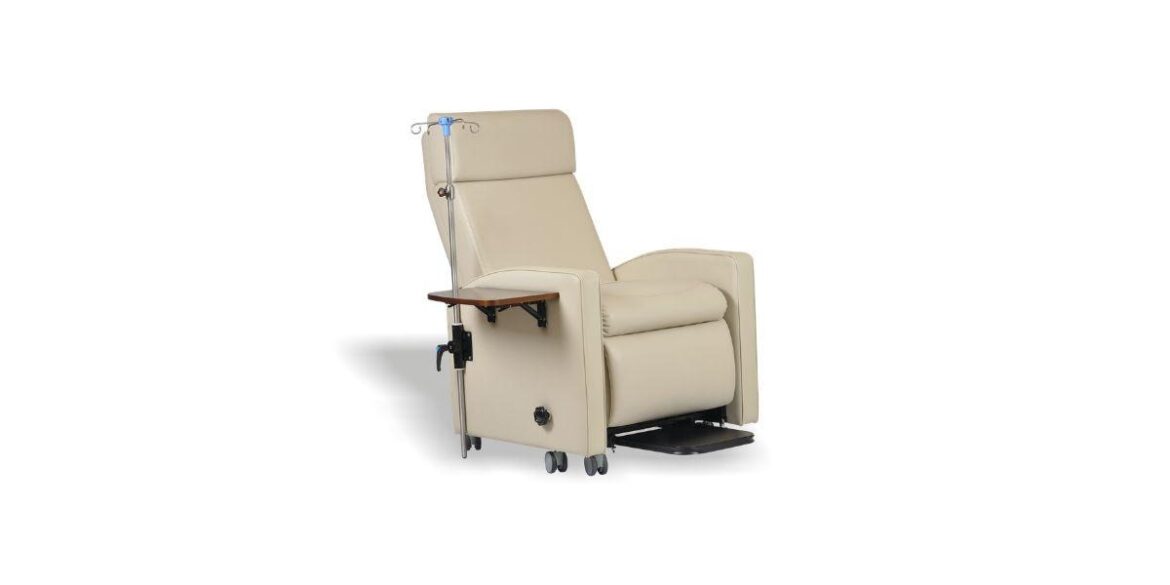
Healthcare environments are built around precision, safety, and patient well-being. Among the many elements that contribute to quality care, seating plays a surprisingly powerful role. The Oncology Recliner Chair is designed specifically to support patients during long treatments, offering stability, comfort, and adaptability. When patients remain seated for extended periods, proper support becomes essential not only for physical ease but also for emotional reassurance. Modern clinical seating solutions help reduce strain, improve posture, and create a more supportive treatment environment for both patients and caregivers.
Why Extended Treatments Demand Better Support
Many medical treatments require patients to remain seated for hours. Chemotherapy, dialysis, infusion therapy, and post-procedure observation all involve extended periods of limited movement. Without proper support, patients may experience muscle stiffness, back pain, and fatigue.
A well-designed recliner addresses these challenges by allowing smooth position adjustments. Patients can lean back, elevate their legs, or shift slightly to maintain circulation and reduce pressure on sensitive areas.
This adaptability improves physical comfort and prevents unnecessary stress on the body. When the body is relaxed, it responds better to treatment and recovery processes. Comfort during treatment is not just about convenience, it directly contributes to patient stability and overall care quality.
Designed Around Natural Body Movement
The human body is not meant to stay in one rigid position for long periods. Traditional fixed seating often fails to accommodate natural posture changes, leading to discomfort and restlessness.
Modern recliners are built with ergonomic design principles. They support the spine’s natural curve, distribute body weight evenly, and reduce pressure on joints.
The Medical Recliner allows smooth adjustments that align with the body’s needs. Patients can move from an upright position to a reclined one without sudden shifts or discomfort.
This natural movement support reduces fatigue and helps patients remain comfortable even during lengthy procedures. Proper ergonomic design ensures that seating adapts to the patient, not the other way around.
Helping Patients Feel More at Ease
Medical treatments can be emotionally challenging. Patients may feel anxious, vulnerable, or physically drained. The physical environment plays a major role in shaping their emotional experience.
Supportive seating creates a sense of security. When patients feel physically stable, their anxiety often decreases. A comfortable recliner provides a sense of reassurance, helping patients relax during difficult treatments.
Small details such as arm support, smooth adjustments, and stable positioning contribute to emotional comfort. Patients who feel relaxed are more cooperative during procedures, which improves treatment efficiency and outcomes. Comfort is not just physical, it supports emotional well-being as well.
Supporting Healthcare Professionals in Their Daily Work
Healthcare providers perform detailed, precise tasks throughout the day. Their ability to work efficiently depends on proper patient positioning.
Adjustable recliners make it easier for clinicians to access the patient safely and comfortably. Instead of forcing awkward positions, caregivers can adjust the seating to the ideal height and angle. This reduces strain on the clinician’s back, shoulders, and arms. Over time, this ergonomic support helps prevent workplace injuries and fatigue.
The Medical Recliner improves workflow efficiency by allowing quick and smooth adjustments. Caregivers can focus more on patient care and less on repositioning challenges. When clinicians work comfortably, they deliver better and more precise care.
Improving Safety During Treatment and Recovery
Safety is one of the most critical priorities in healthcare settings. Proper seating contributes directly to patient safety.
Stable recliners prevent sudden movement or imbalance during treatment. Secure positioning reduces the risk of falls or accidental shifts.
Patients recovering from surgery or undergoing intensive treatments may feel weak or dizzy. Adjustable recliners provide controlled movement, allowing safe transitions between positions.
Safety-focused design ensures that patients remain supported at all times. Reliable seating reduces risks and creates a more secure clinical environment.
Enhancing Circulation and Physical Stability
Remaining in one position for too long can affect blood circulation. Poor circulation can cause discomfort, swelling, or fatigue.
Adjustable recliners allow patients to elevate their legs and shift positions, improving blood flow throughout the body. Better circulation supports healing and reduces physical stress.
This feature is especially important for patients undergoing treatments that affect energy levels and mobility. Proper positioning supports the body’s natural processes and improves overall comfort. Circulation support plays a vital role in maintaining patient stability during long sessions.
Maintaining Hygiene and Infection Control
Healthcare environments require strict hygiene standards. Equipment must be easy to clean and resistant to contamination.
Modern recliners use medical-grade materials designed for durability and sanitation. Smooth surfaces prevent bacteria buildup and allow thorough cleaning.
This helps healthcare facilities maintain infection control standards and protect patient safety. Hygienic design ensures that equipment supports both comfort and cleanliness. Clean environments are essential for safe and effective treatment.
Long-Term Value for Healthcare Facilities
Healthcare equipment must be durable and reliable. High-quality recliners provide long-term performance without frequent maintenance or replacement.
Strong construction ensures stability and consistent operation over time. Reliable equipment supports uninterrupted care and improves operational efficiency. Investing in quality seating solutions benefits both patients and healthcare providers. Durable equipment reduces long-term costs and improves overall care quality. Long-term reliability is essential for healthcare environments.
Adapting to Modern Healthcare Needs
Healthcare continues to evolve, and equipment design evolves with it. Modern seating solutions are built to meet changing clinical demands.
Advanced recliners offer improved adjustability, safety features, and ergonomic support. These innovations improve efficiency and enhance patient care. Patient-centered design is becoming a priority in healthcare environments worldwide.
Equipment that supports comfort, safety, and efficiency contributes to better treatment outcomes. Healthcare environments benefit from solutions designed for modern care needs.
Conclusion
Comfort, safety, and adaptability are essential elements of modern healthcare environments. Proper seating solutions, especially the Oncology Recliner Chair, improve patient stability, reduce physical strain, and support better treatment experiences. They also help clinicians work more efficiently and safely, improving overall care quality. Healthcare providers looking for thoughtfully designed and reliable clinical seating often explore trusted manufacturers such as Esthetica Medical Furniture, known for delivering solutions that support both patient comfort and clinical performance. The right seating system does more than provide a place to sit, it becomes an essential part of the healing process.