

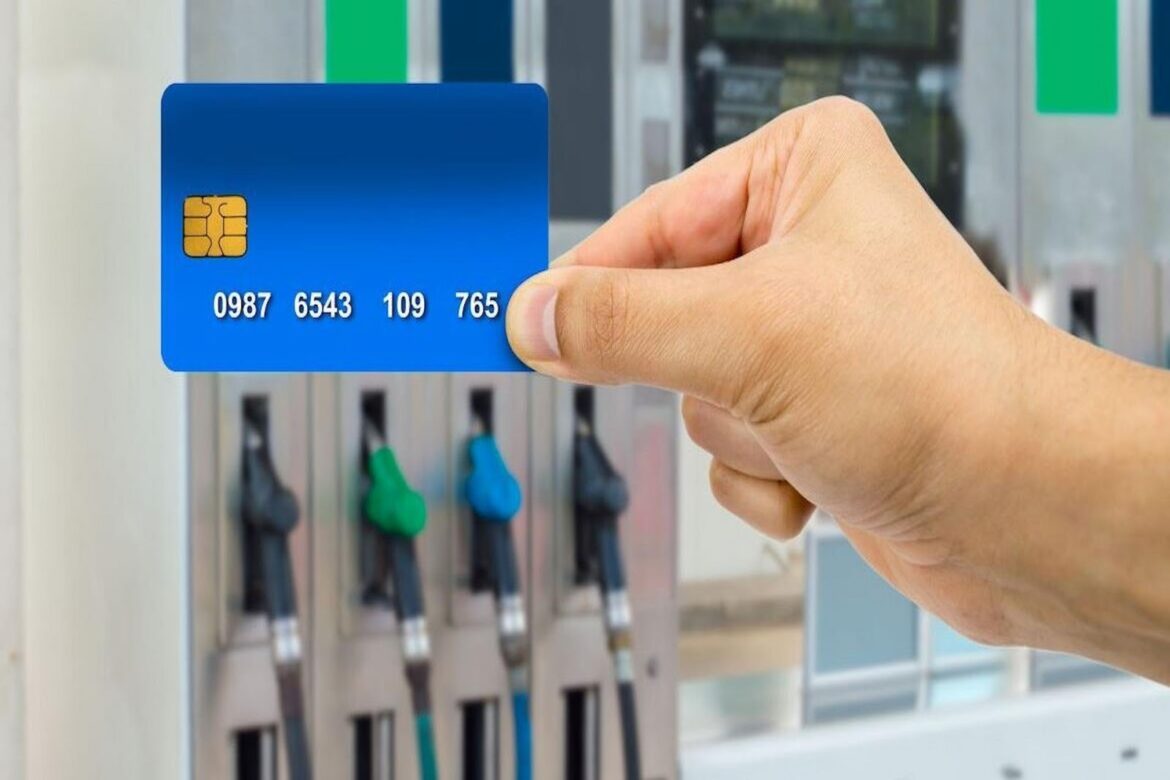
Managing fuel spend is one of the toughest challenges in fleet operations. Fleet fuel cards bring structure, visibility, and control to this process. By capturing detailed transaction data, they help businesses understand fuel usage patterns, reduce waste, and improve accountability across vehicles, drivers, and routes—without adding operational complexity.
Introduction
Fuel costs represent a significant and ongoing expense for fleet-dependent organisations. Without accurate visibility, inefficiencies can quietly erode margins and disrupt planning. This is where fleet fuel cards, supported by data-driven platforms such as AI Corporation, play a vital role. Rather than simply facilitating fuel purchases, modern fuel cards act as monitoring tools that record, organise, and interpret fuel activity across an entire fleet. They transform everyday transactions into actionable insights, allowing managers to track consumption patterns, identify irregularities, and align fuel usage with operational goals. The result is smarter oversight and more confident decision-making.
Gaining Insight Into Fleet-Wide Fuel Use
Fleet fuel consumption patterns describe how, when, and where fuel is used across vehicles over time. These patterns are shaped by multiple factors, including vehicle type, mileage, route profiles, and driving behaviour. When fuel usage is not monitored closely, small inefficiencies can compound into significant overspend.
Fuel cards capture granular transaction data at the point of purchase. Each refill contributes to a growing dataset that reflects real-world fleet activity. Over weeks and months, this data reveals trends that manual logs or expense claims often miss. Managers gain a consistent, standardised view of fuel usage across the fleet, forming the foundation for informed analysis.
How Fuel Cards Capture Accurate Fuel Data
Fleet fuel cards are designed to record fuel transactions automatically and consistently. This removes reliance on handwritten notes or delayed expense reporting, both of which are prone to error.
Key data points recorded at purchase
Fuel card systems typically capture:
- Date and time of refuelling
- Fuel volume and cost
- Vehicle or driver identification
- Location of purchase
Because this data is collected digitally, it is immediately available for review. Accuracy improves, discrepancies are easier to spot, and reporting becomes more reliable. Over time, this consistent data stream enables precise monitoring of fuel consumption patterns without increasing administrative workload.
Identifying Usage Trends Across the Fleet
Once data is captured, fuel cards help transform raw figures into meaningful insights. Consumption trends emerge when transactions are viewed collectively rather than in isolation.
Managers can compare average fuel usage across vehicles or monitor how consumption changes over specific periods. Sudden increases or gradual drifts in fuel spend become visible, allowing early intervention. This level of insight supports better planning, from budgeting to vehicle replacement strategies, while ensuring fuel usage aligns with expected operational performance.
Monitoring Driver Fuel Behaviour
Fuel cards also support oversight of driver-related fuel activity. While they do not monitor driving style directly, they provide indirect indicators through refuelling behaviour.
Behavioural insights supported by fuel data
Analysis may highlight:
- Unusually frequent refuelling
- Fuel volumes inconsistent with mileage
- Refuelling outside expected time windows
These patterns prompt constructive review rather than assumption. By addressing anomalies early, organisations can reinforce fuel policies and encourage responsible usage. Over time, consistent monitoring supports a culture of accountability without intrusive supervision.
Detecting Irregularities and Fuel Misuse
One of the strongest advantages of fleet fuel cards is their role in identifying irregular fuel activity. Because each transaction is logged and categorised, unusual behaviour stands out more clearly.
Irregularities might include unexpected fuel volumes or purchases that do not align with assigned vehicles. With centralised visibility, such issues can be reviewed promptly. This reduces financial leakage and strengthens internal controls, ensuring fuel spend reflects legitimate fleet activity rather than untracked losses.
Supporting Data-Driven Fleet Decisions
Fuel consumption data becomes more valuable when it informs broader operational decisions. Fleet fuel cards provide the evidence base needed for strategic planning.
Midway through the reporting cycle, platforms associated with AI Corporation help consolidate fuel data into structured reports. These insights can guide decisions on route planning, vehicle utilisation, and long-term cost forecasting. Rather than reacting to fuel costs after they occur, organisations can anticipate trends and adjust operations proactively.
Integrating Fuel Insights With Fleet Operations
Fuel monitoring is most effective when it aligns with overall fleet management practices. Fuel card data can complement maintenance schedules, vehicle performance reviews, and operational benchmarks.
For example, consistent increases in fuel consumption may signal the need for vehicle inspection or operational adjustment. By correlating fuel data with mileage and usage patterns, fleet managers gain a more complete picture of performance. This integrated approach ensures fuel monitoring supports, rather than operates separately from, day-to-day fleet management.
Improving Forecasting and Budget Control
Accurate forecasting depends on reliable historical data. Fleet fuel cards create a dependable record of fuel spend that supports realistic budgeting.
Budgeting benefits of consistent fuel data
Organisations can:
- Establish baseline fuel consumption levels
- Track seasonal or operational variations
- Forecast future fuel costs with greater confidence
With clearer projections, financial planning becomes more stable. Unexpected spikes are easier to explain, and budget adjustments can be made with evidence rather than assumption. This strengthens financial discipline across fleet operations.
Enhancing Transparency and Reporting Confidence
Transparency is essential for internal reporting and stakeholder confidence. Fuel card reporting delivers clear, auditable records of fuel usage across the fleet.
Standardised reports reduce ambiguity and support consistent communication between operational and financial teams. When questions arise about fuel spend, data is readily available to provide accurate answers. This clarity builds trust and reduces the friction often associated with expense reviews and budget discussions.
Long-Term Value of Fuel Consumption Monitoring
Monitoring fuel consumption patterns is not a one-time exercise. The true value of fleet fuel cards emerges over time as data accumulates and trends become clearer.
Long-term analysis supports continuous improvement. Fleets can measure the impact of policy changes, operational adjustments, or efficiency initiatives using objective fuel data. This ongoing feedback loop helps organisations refine their approach to fuel management, ensuring sustained cost control and operational resilience.
Conclusion
Fleet fuel cards have evolved into essential monitoring tools that extend far beyond payment convenience. By capturing accurate transaction data, they reveal fuel consumption patterns that would otherwise remain hidden. These insights help organisations identify inefficiencies, monitor behaviour, and strengthen control over one of their largest operating costs. With structured reporting and trend analysis, fleets gain the confidence to plan, forecast, and optimise fuel usage over the long term. Solutions aligned with platforms such as AI Corporation demonstrate how data-led oversight can improve transparency without adding complexity. Ultimately, effective fuel monitoring supports smarter decisions, tighter budgets, and more efficient fleet operations—turning everyday fuel purchases into a strategic advantage.