

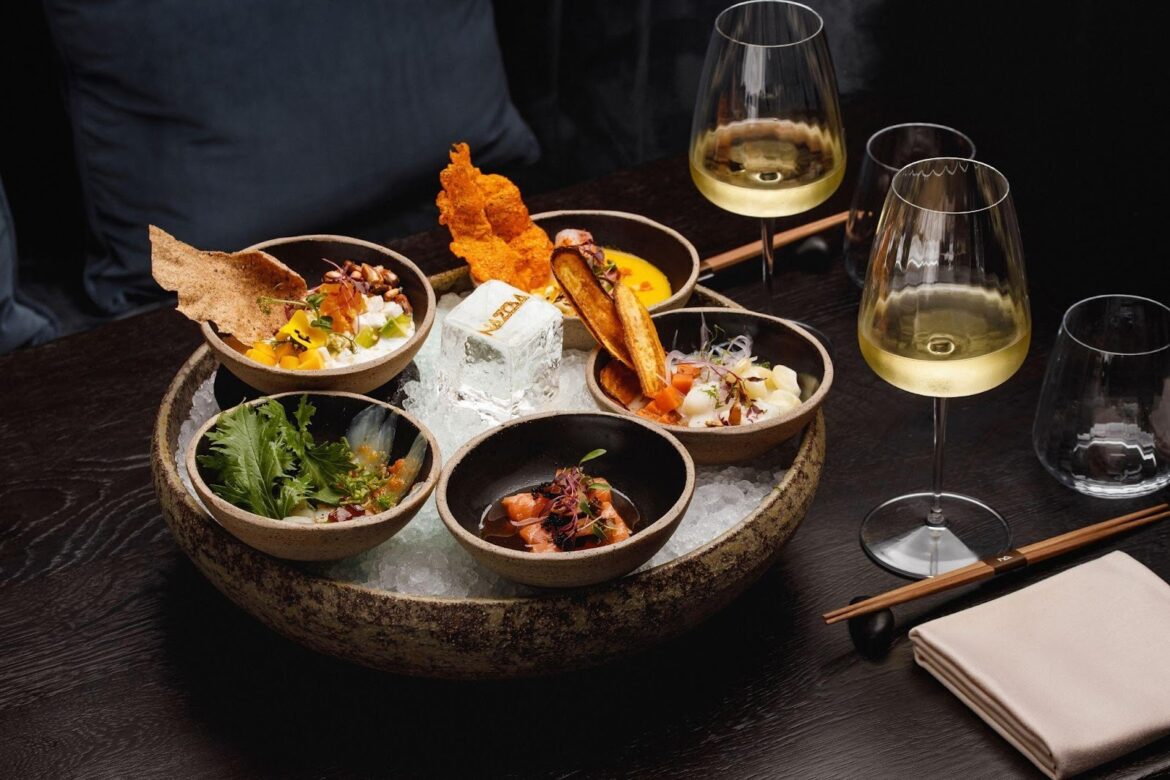
The art of Japanese cuisine is deeply rooted in heritage, precision, and an unwavering respect for natural ingredients. Dining at the best Japanese restaurant in Dubai evokes more than a meal; it becomes a cultural experience shaped by centuries of culinary philosophy. Japanese cooking has always valued balance, visual beauty, purity, and flavour harmony. These principles continue to guide modern interpretations, allowing diners to enjoy dishes that feel both timeless and refreshingly inventive.
Whether served in intimate dining spaces or contemporary fusion venues, Japanese flavours speak a universal language of elegance. This journey through tradition reflects meticulous craftsmanship, gentle seasonings, and thoughtfully layered textures, creating an experience that appeals to both purists and modern food explorers.
Traditions That Shape the Culinary Journey
Japanese cuisine preserves techniques and practices passed down through generations. These traditions create a distinctive identity that defines the flavours, textures, and visual presentation found in authentic dishes.
- Respect for Seasonal Ingredients
Japanese cuisine places immense value on ingredients harvested at their peak. Seasonal produce ensures every dish tastes fresh and naturally vibrant. The concept of shun, enjoying ingredients at the perfect moment, shapes menus and enhances flavour depth. By focusing on seasonal offerings, chefs celebrate nature’s rhythm and highlight the purity of each component through gentle seasoning and mindful preparation. - Craftsmanship in Every Technique
Cooking techniques such as steaming, grilling, slicing, and simmering are treated as art forms. Chefs train for years to master these methods, ensuring uniformity, precision, and respect for the ingredient’s natural character. Whether preparing sashimi or slow-simmered broths, the approach remains consistent, skill meets patience, resulting in flavours that feel refined yet comforting. - Visual Presentation as an Extension of Taste
Japanese cuisine embraces aesthetics with the same devotion as flavour. Colour composition, plating balance, and the choice of serving dishes contribute to the overall experience. Visual harmony encourages diners to appreciate not just taste but emotion, culture, and seasonal symbolism. This thoughtful presentation elevates each dish into an artistic expression.
Flavours That Define the Experience
The depth of Japanese cuisine comes from carefully layered flavours, each ingredient chosen to enhance rather than overpower. This balance offers diners a sense of calm and satisfaction.
- Umami at the Heart of Every Creation
Umami, the savoury “fifth taste”, forms the foundation of Japanese cooking. Ingredients like miso, seaweed, bonito flakes, and soy contribute rich, lingering flavours. These umami elements bring structure and depth, creating dishes that feel satisfying without excess seasoning. Their presence ensures every bite leaves a lasting impression. - Subtle Seasoning that Complements Freshness
Japanese flavours are rarely aggressive. Instead, the cuisine uses light touches of citrus, salt, broth, and fermented ingredients. This approach allows the natural essence of fish, vegetables, and rice to shine. The subtlety makes the cuisine approachable while highlighting the craftsmanship behind every dish. - Textures That Create Balance and Contrast
Crunch, softness, crispness, and silkiness appear throughout Japanese meals. Tempura contrasts tender fish; firm noodles complement delicate broths. These textural variations create an engaging sensory experience, keeping each course dynamic and enjoyable while maintaining overall harmony.
Ingredients That Bring Depth and Character
The ingredients used in Japanese cooking play an essential role in shaping its flavour identity. Each one carries cultural significance and contributes distinct characteristics to the dining experience.
- Rice as a Foundation of Comfort and Culture
Rice holds a central place in Japanese dining. It provides comfort, balance, and a sense of completeness to meals. Whether served as sushi rice, steamed grains, or part of rice-based dishes, its texture and neutrality make it the perfect canvas for stronger flavours, complementing delicate proteins and fresh vegetables. - Fresh Seafood That Defines Purity
Seafood is often served in its purest form, allowing natural flavours to shine. The emphasis on freshness ensures every bite feels clean and smooth. Prepared with precision, seafood dishes display both restraint and confidence, an essential quality of Japanese culinary excellence. - Fermented Elements That Add Complexity
Ingredients like miso, soy sauce, and pickles add depth, richness, and gentle acidity. These fermented components bring complexity without overwhelming the palate, enhancing everything from grilled dishes to soups and marinades. Their presence reveals the layers that define Japanese cuisine.
Experiences That Enhance the Culinary Story
Japanese dining experiences often extend beyond food, inviting diners to immerse themselves in atmosphere, ritual, and thoughtful service. This holistic approach brings warmth and intention to every meal.
- Ambience That Reflects Calm and Elegance
Japanese-inspired interiors often feature natural wood, warm lighting, and minimalist décor. These elements create a serene environment, encouraging diners to slow down and savour each moment. The calm atmosphere enhances the sensory pleasure of the cuisine, allowing flavours to speak with clarity. - Service Rooted in Respect and Hospitality
Hospitality is considered a cultural duty in Japanese dining. Staff anticipate needs, serve with grace, and maintain attentiveness without intrusion. This respectful approach transforms the meal into a welcoming, thoughtful experience that leaves a lasting impression on guests. - Culinary Rituals That Celebrate Artistry
From the precise preparation of tea to the rhythmic slicing of fish, Japanese culinary rituals blend performance with tradition. These rituals showcase technique and devotion, offering diners a deeper appreciation of the craft behind each dish. Experiencing such traditions creates a connection to the culture and the artistry behind the cuisine.
Conclusion
Japanese cuisine is built on a foundation of tradition, artistry, and respect for ingredients. It brings together techniques shaped by generations, flavours that feel refined and balanced, and experiences that elevate dining into a cultural exploration. The influence of Japanese restaurants across global culinary scenes highlights how deeply this cuisine resonates with diners seeking authenticity and craftsmanship.
For those wishing to experience this harmony in Dubai, Nazcaa offers a distinct interpretation. The restaurant blends Japanese finesse with imaginative flair, presenting dishes crafted with skill, intention, and cultural appreciation. Through its innovative approach, Nazcaa celebrates Japanese flavours while creating a dining journey that feels immersive, elegant, and memorable.