

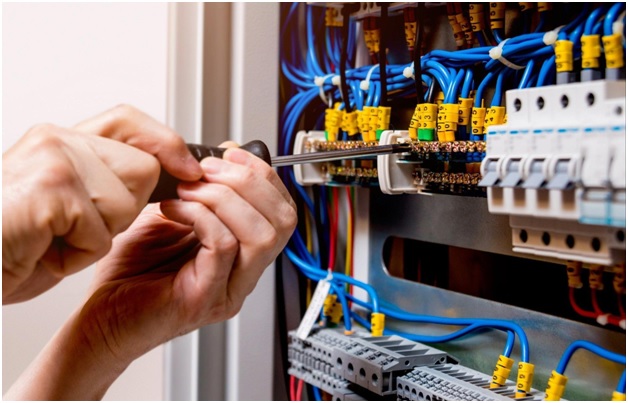
Flickering lights during appliance use, breakers that trip multiple times a week, and outlets that feel warm to the touch are not normal wear and tear. These symptoms often signal overloaded circuits or failing connections. Identifying them early helps prevent electrical fires, appliance damage, and unexpected power loss inside the home This read helps you spot the signs that matter, understand which fixes are safe to handle, and know when it’s time to bring in a professional to protect your home and everyone in it.
Electrical systems quietly power modern homes, yet they are often taken for granted—until something goes wrong. From frequent breaker trips to unexplained power drops, these issues can range from inconvenient to dangerous. Early recognition matters. If you live in or around Little Mountain, understanding when to consult a local electrician in Little Mountain, SC can help prevent damage, reduce fire risk, and keep daily life running smoothly.
Below is a clear, practical breakdown of the most common household electrical problems, what they usually mean, and how to decide whether it’s time to bring in professional support.
Why Household Electrical Issues Should Never Be Ignored
Electrical faults are a leading cause of residential fires and equipment damage. According to widely cited safety data, faulty wiring and overloaded circuits account for a significant share of home electrical incidents each year. Even minor symptoms can signal underlying strain on your system.
Key reasons to act early:
- Electrical problems tend to worsen over time.
- Heat buildup behind walls can go unnoticed.
- Small faults can shorten the lifespan of appliances.
- Early fixes are usually simpler and less disruptive.
Flickering or Dimming Lights
What’s usually happening
Lights that flicker or dim—especially when appliances turn on—often indicate uneven voltage or an overloaded circuit.
Why it matters
- Repeated voltage fluctuation stresses bulbs and fixtures.
- It can point to loose connections, which generate heat.
- Persistent flicker may reflect broader wiring imbalance.
When to seek help
If flickering occurs in multiple rooms or continues after changing bulbs, professional evaluation is recommended.
Frequently Tripping Circuit Breakers
What’s usually happening
Circuit breakers shut off power to prevent overheating. Frequent trips suggest the circuit is carrying more electricity than it can safely handle.
Common causes
- Too many devices on one circuit
- Aging breaker components
- Short circuits or ground faults
When to seek help
Resetting a breaker once in a while is normal. If it trips repeatedly, a professional inspection can identify whether circuits need balancing or upgrading.
Warm or Discolored Outlets and Switches
What’s usually happening
Outlets or switches that feel warm—or show discoloration—may have loose wiring or internal wear.
Why it matters
- Heat indicates resistance, which increases fire risk.
- Plastic discoloration signals prolonged overheating.
When to seek help
Stop using the outlet immediately and arrange an inspection. This is not a condition to monitor casually.
Buzzing Sounds or Burning Smells
What’s usually happening
Electricity should be silent. Buzzing, crackling, or faint burning odors suggest arcing—electricity jumping across gaps.
Why it matters
- Arcing can ignite nearby materials.
- Odors often precede visible damage.
When to seek help
Turn off power to the affected area if possible and contact a qualified professional without delay.
Outlets That Don’t Work or Work Intermittently
What’s usually happening
Dead or inconsistent outlets may result from:
- Loose internal connections
- Tripped safety devices
- Wiring wear over time
Why it matters
Intermittent power increases wear on plugged-in devices and may indicate hidden wiring issues.
When to seek help
If resetting nearby breakers or safety devices doesn’t restore stable power, professional troubleshooting is advisable.
Overloaded Power Strips and Extension Cords
What’s usually happening
Modern homes rely on multiple devices, but older electrical layouts may not support today’s demand.
Risks to watch
- Warm cords or plugs
- Frequent breaker trips
- Power strips packed with adapters
When to seek help
If extension cords are a permanent solution, it’s time to discuss safer outlet or circuit upgrades with a local electrician in Little Mountain, SC.
Outdated Electrical Panels
What’s usually happening
Older panels may lack capacity for modern energy use or current safety features.
Why it matters
- Limited capacity increases overload risk.
- Older components may not respond reliably during faults.
When to seek help
If your panel struggles to keep up or shows signs of wear, a professional assessment can determine whether an upgrade is appropriate.
Actionable Tips for Safer Home Electrical Use
- Spread electrical load: Avoid running many high-power devices on one circuit.
- Pay attention to heat: Warm outlets, switches, or cords need prompt attention.
- Replace damaged cords: Frayed or cracked insulation should never be ignored.
- Test safety devices regularly: Ensure breakers and safety outlets respond correctly.
- Schedule periodic inspections: Preventive checks catch issues before they escalate.
Knowing When DIY Stops and Professional Help Starts
Basic steps like changing bulbs or resetting breakers are reasonable. However, electrical systems are interconnected, and mistakes can have serious consequences. Professional electricians are trained to:
- Identify hidden wiring faults
- Measure load balance accurately
- Ensure work meets current safety standards
Calling for expert help is not about overreacting—it’s about protecting your home’s long-term safety.
Frequently Asked Questions
How can I tell if an electrical issue is dangerous or just an inconvenience?
Electrical issues become dangerous when you notice heat, burning smells, repeated breaker trips, buzzing sounds, or flickering lights across multiple rooms. These signs indicate stress within the system rather than a single faulty device. In such cases, professional assessment is strongly recommended to prevent fire risk or equipment damage.
Is it safe to keep resetting a circuit breaker that keeps tripping?
No. A breaker that trips repeatedly is doing its job by preventing overheating. Continuously resetting it without addressing the cause can lead to wiring damage or fire hazards. Persistent tripping usually signals overloaded circuits, short circuits, or aging components that require professional evaluation.
Why do some outlets feel warm even when nothing is plugged in?
Warm outlets often indicate loose internal wiring or deteriorating connections that create electrical resistance. Even without visible use, electricity may still be flowing through compromised components. This condition should never be ignored, as heat buildup behind walls can escalate quickly without warning.
Can older homes handle modern electrical demand safely?
Many older homes were not designed for today’s appliance-heavy lifestyles. Increased demand can strain outdated wiring and panels, leading to frequent outages or unsafe conditions. A professional inspection can determine whether upgrades are needed to safely support modern electrical usage.
When should I contact a professional instead of attempting a fix myself?
Any issue involving recurring power loss, heat, unusual sounds, or multiple affected areas should be handled by a qualified electrician. Electrical systems are interconnected, and improper repairs can worsen the problem or create new hazards. Professional intervention ensures safety, compliance, and long-term reliability.
Final Thoughts
Household electrical issues rarely resolve themselves. More often, they quietly worsen until a visible failure—or safety hazard—forces urgent action. By recognizing early warning signs such as flickering lights, frequent breaker trips, or warm outlets, homeowners can respond before problems escalate. Simple habits, like managing electrical load and replacing worn cords, go a long way toward prevention.
Still, some situations require trained eyes and proper tools. Partnering with a trusted local electrician in Little Mountain, SC ensures problems are addressed correctly, safely, and in line with modern standards. If your home shows persistent electrical symptoms, don’t wait for a disruption to decide. Taking proactive steps today helps preserve comfort, protects your investment, and most importantly, keeps everyone under your roof safe.