
Nurses play one of the most important roles in patient care and emergency response. In hospitals, clinics, nursing homes, and home healthcare environments, nurses are often the first healthcare professionals to respond during critical medical situations.
Emergencies such as cardiac arrest, respiratory failure, choking, and sudden unconsciousness require immediate and accurate intervention. In these situations, having strong life-saving skills can make a major difference in patient survival and recovery.
This is why enrolling in a professional basic life support course for nurses has become an essential part of nursing education and healthcare training.
Basic Life Support (BLS) training provides nurses with the knowledge and practical skills needed to respond confidently and effectively during medical emergencies. From performing CPR to using Automated External Defibrillators (AEDs), BLS education prepares nurses to provide immediate support before advanced medical care becomes available.
Professional basic life support Dubai training programs help nurses strengthen patient safety skills while meeting healthcare industry standards and certification requirements.
CNA Training Institute offers comprehensive BLS training programs designed to support nurses and healthcare professionals with practical emergency response education.
Understanding Basic Life Support (BLS)
Basic Life Support refers to the immediate medical assistance provided during life-threatening emergencies until advanced medical treatment is available.
BLS training focuses on emergency response techniques that help maintain circulation, breathing, and patient stability during critical situations.
A professional BLS course typically includes:
- Cardiopulmonary Resuscitation (CPR)
- AED operation
- Rescue breathing
- Airway management
- Choking response techniques
- Emergency patient assessment
- Team-based emergency response
A professional basic life support course for nurses prepares healthcare professionals to respond effectively in both hospital and community healthcare settings.
Importance of BLS Training for Nurses
Nurses regularly encounter patients with serious health conditions and medical emergencies.
BLS training is essential because nurses are often responsible for initiating immediate emergency care.
Immediate Emergency Response
During cardiac arrest or respiratory failure, every second matters.
Nurses trained in BLS can quickly begin CPR and emergency procedures.
Improved Patient Survival Rates
Early intervention significantly increases survival chances during cardiac emergencies.
Increased Confidence During Emergencies
BLS training helps nurses remain calm and organized in high-pressure situations.
Enhanced Patient Safety
Proper emergency response procedures improve the quality of patient care and reduce medical risks.
Professional Healthcare Requirements
Many hospitals and healthcare facilities require nurses to maintain current BLS certification.
Reliable basic life support Dubai training helps nurses meet professional standards and licensing requirements.
Skills Nurses Learn in Basic Life Support Training
Professional BLS training combines theoretical knowledge with practical hands-on experience.
Nurses learn several important emergency response skills.
CPR Techniques
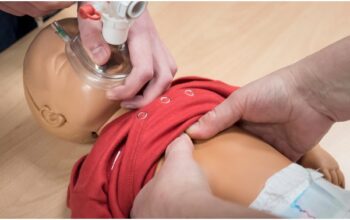
Training includes adult, child, and infant CPR procedures.
AED Usage
Participants learn how to safely use Automated External Defibrillators during cardiac emergencies.
Airway Management
Nurses learn techniques to maintain open airways and support patient breathing.
Choking Emergency Response
Training includes procedures for assisting choking patients.
Patient Assessment
Nurses learn how to identify signs of cardiac arrest, respiratory distress, and unconsciousness.
Team Coordination During Emergencies
Healthcare professionals practice coordinated emergency response strategies.
Professional basic life support course for nurses programs focus on practical scenarios commonly encountered in healthcare settings.
Importance of CPR in Nursing Practice
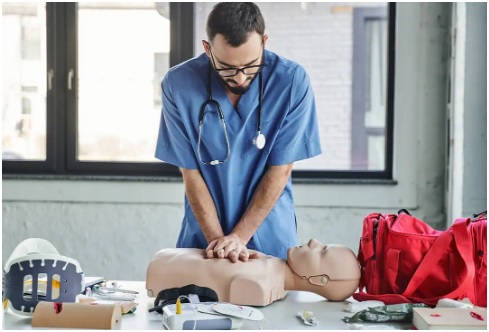
CPR is one of the most critical skills nurses learn during BLS training.
Cardiac arrest prevents oxygen-rich blood from reaching the brain and vital organs.
Immediate CPR helps:
- Maintain blood circulation
- Support oxygen delivery
- Improve patient survival chances
- Reduce risks of brain damage
Professional BLS instructors teach proper chest compression techniques and rescue breathing procedures to ensure effective emergency response.
Role of AED in Emergency Care
An Automated External Defibrillator (AED) is used to restore normal heart rhythm during cardiac arrest.
Nurses trained in BLS learn:
- How to identify cardiac emergencies
- When to use an AED
- Proper AED operation procedures
- Safety precautions during defibrillation
Combining CPR with AED use can significantly improve patient outcomes during emergencies.
Why Basic Life Support Dubai Training Is Important
Dubai’s healthcare sector follows high medical and patient safety standards.
Healthcare employers increasingly require certified BLS training for nurses and healthcare workers.
Several factors contribute to the growing importance of BLS training.
Expanding Healthcare Industry
Dubai continues developing advanced healthcare facilities and services.
Qualified nurses with emergency response training are in high demand.
Workplace Safety Standards
Healthcare organizations prioritize patient safety and emergency preparedness.
Professional Career Development
BLS certification strengthens nursing qualifications and career opportunities.
Better Emergency Preparedness
Trained nurses improve emergency response efficiency in hospitals and clinics.
Professional basic life support Dubai training supports both healthcare quality and patient safety.
Benefits of Completing a Basic Life Support Course for Nurses
1. Improved Emergency Response Skills
Nurses gain practical knowledge for handling life-threatening emergencies.
2. Greater Professional Confidence
Training improves decision-making abilities during critical situations.
3. Enhanced Career Opportunities
Many healthcare employers prefer nurses with updated BLS certification.
4. Better Team Coordination
Nurses learn how to work efficiently within emergency response teams.
5. Compliance With Healthcare Standards
BLS certification helps nurses meet hospital and regulatory requirements.
6. Increased Patient Safety
Properly trained nurses contribute to safer healthcare environments.
Professional basic life support course for nurses programs support both career growth and clinical competency.
Importance of Hands-On BLS Training
Practical experience is one of the most important parts of effective BLS education.
Hands-on training allows nurses to practice:
- CPR procedures
- Rescue breathing
- AED operation
- Emergency response coordination
Realistic simulations improve confidence and emergency preparedness.
Professional basic life support Dubai courses emphasize practical learning to strengthen real-world emergency response skills.
Common Medical Emergencies Nurses Handle
Nurses may encounter various emergency situations during their careers.
These include:
- Cardiac arrest
- Respiratory distress
- Choking incidents
- Sudden unconsciousness
- Drowning emergencies
- Trauma-related emergencies
- Post-surgical complications
BLS training helps nurses respond quickly and effectively during these situations.
Importance of Continuous BLS Training
Emergency response guidelines and medical protocols continue evolving.
Regular BLS renewal training helps nurses:
- Maintain updated skills
- Improve response accuracy
- Stay informed about current medical standards
- Strengthen patient care quality
Continuous learning is essential for maintaining healthcare competency.
Choosing the Right Basic Life Support Training Institute
Selecting a reliable training institute is important for quality education and recognized certification.
Nurses should consider the following factors.
Certified Instructors
Ensure trainers are experienced healthcare professionals.
Practical Learning Opportunities
Hands-on sessions improve emergency response confidence.
Updated Course Content
Training should follow current international BLS guidelines.
Recognized Certification
Choose institutes offering professional and accepted certification.
Supportive Learning Environment
Interactive training improves understanding and skill development.
CNA Training Institute provides professional BLS training programs designed specifically for healthcare professionals and nursing students.
Role of BLS Certification in Nursing Careers
BLS certification is often mandatory for nurses because it demonstrates emergency response competency.
Healthcare employers value nurses who can:
- Respond quickly during emergencies
- Support patient safety
- Perform CPR effectively
- Assist in critical care situations
Professional basic life support Dubai training strengthens nursing career opportunities and clinical readiness.
Future of Emergency Response Training in Dubai
As healthcare services continue expanding in Dubai, the demand for qualified nurses with emergency response skills is increasing.
Healthcare facilities increasingly prioritize:
- Patient safety
- Emergency preparedness
- Staff competency
- Clinical training programs
Professional basic life support course for nurses programs will continue playing a vital role in healthcare education and patient care standards.
Conclusion
Basic Life Support training is one of the most important certifications for nurses and healthcare professionals.
A professional basic life support course for nurses equips participants with essential life-saving skills such as CPR, AED usage, airway management, and emergency patient assessment.
From improving emergency response confidence to supporting patient safety and career advancement, BLS training provides significant professional and practical benefits.
CNA Training Institute continues to provide high-quality basic life support Dubai training programs designed to help nurses and healthcare professionals develop strong emergency response skills.
By combining expert instruction, practical learning, and recognized certification, BLS training helps nurses respond effectively during critical medical situations and contribute to safer healthcare environments.