

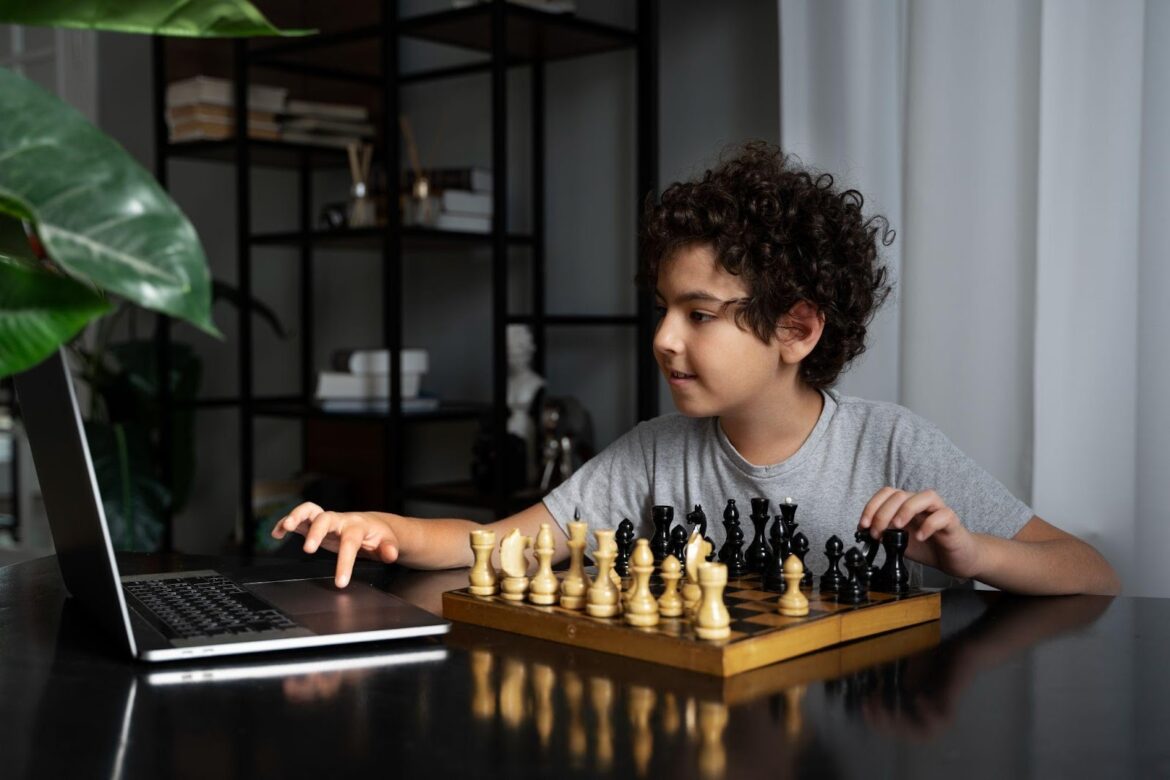
Every journey into chess begins with a simple moment. It could be a child watching a parent move pieces across the board or a beginner trying to understand why knights move in an L-shape. At first, it feels like a puzzle with too many rules. But with the right approach, that confusion slowly turns into curiosity, and curiosity grows into confidence.
The key to starting well is not rushing. Many beginners feel pressure to learn everything at once, but chess rewards patience. A thoughtful approach allows learners to absorb concepts gradually and enjoy the process. This is where a structured beginner chess course can make a noticeable difference, offering direction without overwhelming the learner.
1. Start With Understanding, Not Memorizing
One of the most common mistakes beginners make is trying to memorize moves instead of understanding ideas. Chess is not about remembering sequences blindly; it is about knowing why a move works. When learners focus on understanding patterns, they develop the ability to think independently rather than relying on memorized steps.
Taking time to explore the purpose behind each move builds confidence. It allows beginners to adapt to different situations and make decisions based on logic rather than guesswork. This approach creates a strong foundation that supports long-term growth.
2. Break the Game Into Manageable Parts
Chess may seem complex at first, but it becomes easier when broken down into smaller sections. Instead of trying to master everything at once, beginners can focus on one aspect at a time. Understanding openings, middlegame strategies, and endgames separately helps simplify the learning process.
This step-by-step approach makes learning less intimidating. It also allows students to see progress more clearly, which keeps them motivated to continue.
3. Practice With Purpose
Playing random games can be fun, but purposeful practice leads to improvement. Beginners should set small goals for each session, such as focusing on piece development or avoiding early mistakes. This targeted practice helps reinforce specific skills.
A structured online chess course for beginners often includes guided exercises and challenges that make practice more effective. These activities help learners apply concepts in real situations, making the learning process more meaningful.
4. Learn From Every Game
Every chess game tells a story. Some stories end in victory, while others highlight areas for improvement. Instead of focusing only on results, beginners should analyze their games to understand what worked and what didn’t.
Reviewing games helps identify patterns in mistakes and successes. Over time, this habit improves decision-making and builds a deeper understanding of the game. It also encourages a growth mindset, where mistakes are seen as opportunities to learn.
5. Build Patience Through Slow Thinking
In a world where everything moves quickly, chess teaches the value of slowing down. Beginners often rush their moves, leading to avoidable errors. Learning to pause, think, and evaluate options is a skill that develops over time.
Patience allows players to consider different possibilities and choose the best move. This habit not only improves chess performance but also enhances focus and decision-making in other areas of life.
6. Use Visual Learning Tools
Visual aids can make complex concepts easier to understand. Diagrams, interactive boards, and animations help beginners see patterns and strategies more clearly. These tools simplify learning and make it more engaging.
Modern learning platforms provide a variety of visual resources that cater to different learning styles. For beginners, this approach can make the difference between confusion and clarity.
7. Stay Consistent With Practice
Consistency is more important than intensity. Practicing a little every day is more effective than long, irregular sessions. Regular practice helps reinforce concepts and keeps the mind engaged with the game.
Creating a routine makes learning feel natural. Over time, this consistency leads to steady improvement and greater confidence on the board.
8. Learn Basic Strategies Early
While advanced tactics can wait, understanding basic strategies is essential. Concepts like controlling the center, developing pieces, and protecting the king form the backbone of good play. These principles guide beginners and help them make better decisions.
Learning these strategies early creates a strong framework for future learning. It also makes the game more enjoyable, as players begin to see the logic behind each move.
9. Balance Learning With Fun
Chess should never feel like a burden. While structured learning is important, it is equally important to keep the experience enjoyable. Playing casual games, solving puzzles, and exploring creative strategies can make learning more engaging.
A balanced approach ensures that beginners stay motivated. When learning feels enjoyable, students are more likely to continue and improve over time.
10. Seek Guidance When Needed
Self-learning can take beginners far, but guidance accelerates progress. Experienced mentors provide insights that are difficult to discover alone. They can identify mistakes, suggest improvements, and offer personalized advice.
A well-designed beginner chess course often includes expert guidance that helps learners avoid common pitfalls. This support makes the journey smoother and more effective.
11. Build Confidence Step by Step
Confidence in chess does not come overnight. It develops through practice, learning, and experience. Beginners should celebrate small achievements, whether it is winning a game or successfully applying a new strategy.
Each step forward builds self-belief. Over time, this confidence allows players to take on greater challenges and enjoy the game at a deeper level.
The Journey Beyond the Basics
As beginners progress, their understanding of chess evolves. What once seemed complicated becomes familiar, and new challenges take its place. This journey is not about reaching a final destination but about continuous growth.
The skills developed through chess extend beyond the board. Players learn to think critically, plan ahead, and remain calm under pressure. These abilities become valuable in everyday life, making chess a meaningful and rewarding pursuit.
Conclusion
Starting chess can feel overwhelming, but with the right approach, it becomes an enjoyable and enriching experience. By focusing on understanding, practicing consistently, and seeking guidance when needed, beginners can build a strong foundation and grow with confidence. For those looking to begin this journey with structured support and engaging lessons, platforms like Chessbrainz provide a practical and accessible way to learn and improve step by step.