
Luxury used to announce itself. Polished marble floors. Crystal chandeliers. Walls layered in ornament. Today, in many of Cheshire’s most refined homes, wealth speaks in a lower tone.
Quiet luxury does not chase attention. It builds atmosphere. It relies on restraint, proportion, and material depth rather than visible excess. In places such as Alderley Edge, Prestbury, and parts of Wilmslow, this shift has become increasingly clear. Properties grow larger, yet interiors feel calmer. Finishes become subtler, yet overall value increases.
This change did not happen by accident.
High-net-worth homeowners have become more design literate. They travel widely. They experience international hotels, private clubs, and contemporary residences. They return with an understanding that true refinement is often understated. The focus moves from statement pieces to cohesive environments.
A luxury interior designer in Cheshire working within this philosophy approaches space differently. Instead of asking how to impress, the question becomes how to elevate without overpowering. Texture replaces ornament. Lighting replaces decoration. Craft replaces trend.
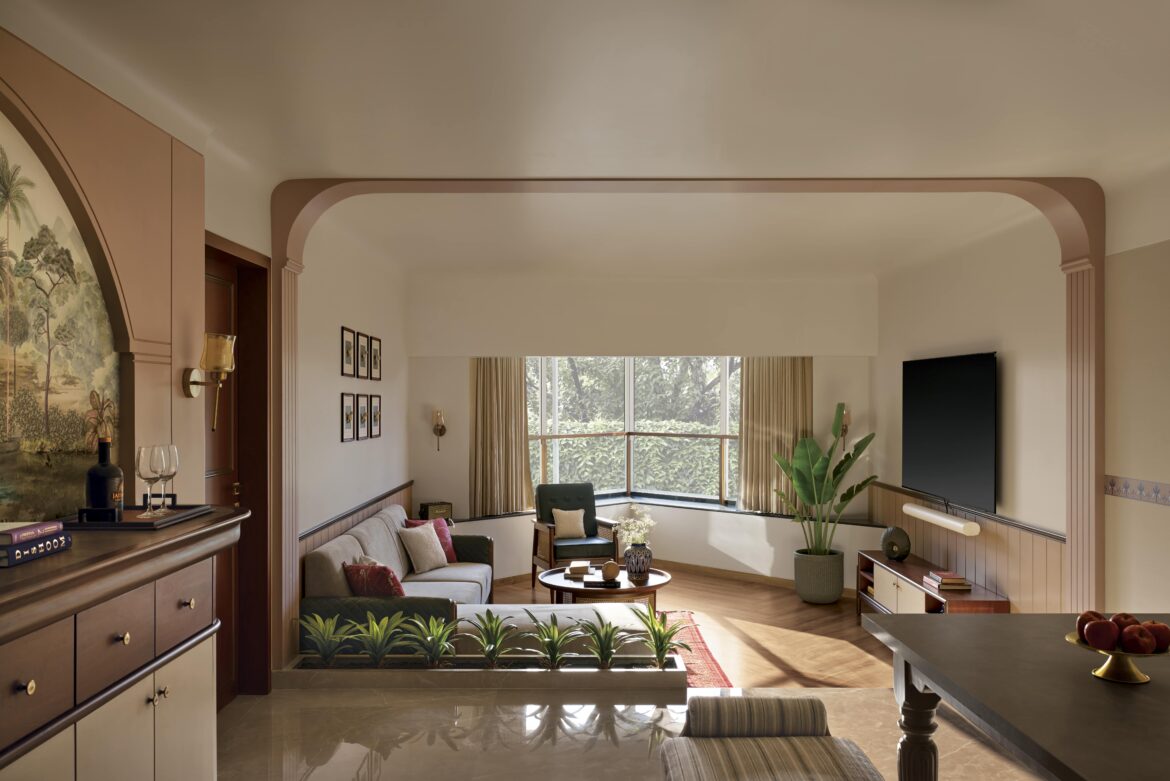
Material selection sits at the core. Natural stone with soft veining rather than dramatic patterns. Timber finishes that reveal grain rather than conceal it. Upholstery in muted tones that shift subtly under changing light. Each choice appears simple in isolation. Together, they create depth.
Proportion becomes critical. Large Cheshire properties often include expansive open-plan living areas. Without careful balance, these spaces can feel cold. Quiet luxury relies on zoning through furniture placement, layered lighting, and architectural detailing rather than heavy partitioning. The result maintains openness while preserving intimacy.
Colour strategy also shifts. Instead of bold contrasts, designers favour tonal layering. Warm neutrals, soft greys, muted greens, and earthy shades dominate. This does not mean monotony. It means precision. Minor variations in hue create movement without visual noise.
Lighting design deserves particular attention. In refined properties, lighting is rarely decorative in isolation. It is integrated into architecture. Recessed channels, concealed strips, and sculptural fixtures provide illumination without dominating sightlines. The mood changes throughout the day, adapting to natural light. Layered schemes incorporate task, accent, and ambient lighting to create depth, comfort, and subtle drama without visual clutter.
Furniture choices reflect longevity. Bespoke joinery often replaces off-the-shelf solutions. Wardrobes, libraries, and kitchens are tailored precisely to room dimensions. Hardware is minimal yet tactile. Surfaces feel considered. Nothing appears temporary. Materials are selected for durability and patina, ensuring the space matures gracefully rather than deteriorating over time.
Technology integrates quietly. Smart home systems, security controls, and climate management remain discreet. Panels are hidden. Controls blend with finishes. Quiet luxury avoids visible technical clutter.
Another defining element is negative space. Leaving walls partially unadorned requires confidence. Allowing materials to breathe enhances calm. Overfilling a room disrupts the effect. Restraint becomes a design decision rather than an absence of effort.
In Cheshire’s premium market, property value often aligns with architectural scale. Yet interior refinement increasingly influences perception. Buyers recognise coherence. They notice when details align, when finishes relate, and when transitions between rooms feel seamless.
This approach also supports longevity. Trend-driven interiors date quickly. Quiet luxury resists fashion cycles. By prioritising material quality and balanced composition, spaces remain relevant for years. This stability appeals to homeowners who view property as long-term investment.
The art lies in discipline. It requires resisting unnecessary embellishment. It demands coordination between architect, contractor, and luxury interior designer in Cheshire from early planning stages. Subtle detailing cannot be added at the end. It must be embedded in structure.
Quiet luxury does not seek applause. It builds comfort. It transforms scale into serenity and value into atmosphere. In Cheshire’s finest properties, that subtle confidence often speaks louder than overt display.